Introduction
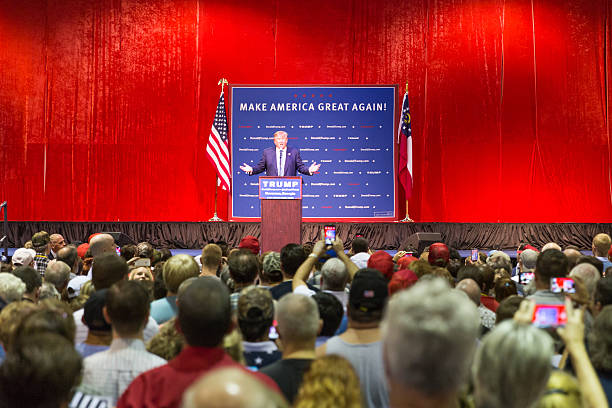
The recent Trump Remarks about alleged persecution of Afrikaners in South Africa have ignited global discussion and placed the country’s domestic issues under a renewed spotlight. When former U.S. President Donald Trump commented on the condition of Afrikaners, his statements quickly traveled through international news cycles, drawing a sharp and immediate response from South Africa’s finance minister. According to the minister, these claims were inaccurate and damaging. For South Africa, which continually works to strengthen its global reputation, such remarks bring renewed attention to longstanding debates about land, safety, and race relations. This article explores the broader context behind the minister’s rebuke, the history surrounding the issue, and the larger effects of high-profile international commentary on domestic affairs.
Trump Remarks and the Minister’s Strong Rebuttal
The Trump Remarks were met with an assertive and clear response from South Africa’s finance minister, who labeled them misleading and harmful. From the government’s perspective, comments by global political figures carry significant weight and can shape the international narrative about the country. South Africa has struggled with the legacy of apartheid, and every public claim about race-based discrimination is examined closely, especially when coming from influential foreign voices. The minister argued that Trump’s statements did not reflect the realities on the ground and that they risked spreading incorrect assumptions about Afrikaners’ human rights conditions. He emphasized that South Africa remains committed to the constitutional protection of all communities and warned that global commentary based on incomplete or distorted information could undermine diplomatic relations.
Trump Remarks and the Complex History of Afrikaner Identity
Understanding the impact of the Trump Remarks requires revisiting the historical development of Afrikaner identity in South Africa. Afrikaners, descendants of mainly Dutch settlers, have played a central role in shaping the country’s political and cultural landscape. However, their role in the apartheid system also placed them at the center of racial conflict. After apartheid ended in 1994, Afrikaners remained a small minority group within a rapidly evolving democratic society. Issues surrounding land ownership, cultural preservation, and political representation have continued to spark discussions. Trump’s statements tapped into this sensitive historical backdrop. South African officials stressed that such external comments oversimplify a deeply complex societal issue and risk reinforcing inaccurate narratives that do not align with current realities.
Trump Remarks and International Diplomatic Sensitivities
When high-profile figures make strong claims about another nation, diplomatic effects are almost inevitable. The Trump Remarks created an international ripple, drawing attention not only from media outlets but also from policymakers. South Africa’s finance minister expressed concern that such statements could influence foreign governments and investors who might misinterpret the country’s stability. Diplomacy depends on trust, accurate information, and mutual respect. Statements that paint a negative picture of a country’s internal affairs without sufficient context can cause friction. South Africa, like many nations, relies on strong international relationships for trade, tourism, and investment. The minister emphasized that unverified claims could harm this delicate balance and create unnecessary geopolitical tension.
Trump Remarks Within South Africa’s Ongoing Land Debate
The Trump Remarks touched indirectly on one of South Africa’s most controversial issues: land reform. The country continues to grapple with the question of how to address historical inequalities in land ownership, a system shaped by centuries of colonialism and apartheid. While some argue that the process must accelerate to correct injustices, others express fear that aggressive reform could threaten food security or economic stability. Trump’s commentary made reference to land and violence, suggesting persecution of white farmers. The South African government rejected this implication, stressing that land reform is carried out deliberately, legally, and in accordance with the Constitution. The minister argued that Trump’s statements overlooked these legal safeguards and could skew international understanding of the issue.
Trump Remarks and Media Amplification
Modern media ecosystems amplify statements like the Trump Remarks with unprecedented speed. Social networks, online publications, and broadcast outlets often spread political comments within minutes, sometimes without full context. This rapid cycle can shape public perception before officials can respond or clarify. In this case, the South African finance minister quickly issued a rebuttal to prevent misinformation from taking root. However, by the time an official statement reaches audiences, the original claim may already have circulated widely. The minister warned that sensationalized interpretations can overshadow nuanced reality. This highlights the challenge governments face in controlling narratives in a digital world where political discourse moves faster than fact-checking.
Trump Remarks and South Africa’s Commitment to Social Cohesion
A central theme of the government’s response to the Trump Remarks was the emphasis on national unity. South Africa’s leadership has repeatedly stated its commitment to protecting all communities, whether minority or majority. The finance minister highlighted ongoing efforts to foster social cohesion after decades of racial division. While challenges remain—such as inequality, crime, and slow economic growth—the government maintains that these affect all citizens, not only Afrikaners. By dismissing Trump’s claims, the minister attempted to reinforce the message that South Africa rejects divisive narratives. He stressed that the nation continues working toward a more inclusive society where disputes are addressed through constitutional processes rather than foreign political commentary.
Trump Remarks and Economic Perception
Economic stability depends heavily on international confidence. The Trump Remarks raised concerns among South African officials about how foreign investors might interpret them. Claims of instability, persecution, or social unrest can influence investment decisions even when they are inaccurate. The finance minister underscored that South Africa maintains strong legal institutions and a stable banking system. He argued that incorrect foreign commentary risks undermining investor trust, which could affect currency markets, business expansions, or long-term development projects. For a country seeking sustained economic growth, maintaining a positive global image is essential. This makes it critical for public officials to challenge misleading statements promptly.
FAQs
Q1: What were the key issues addressed in the Trump Remarks?
They involved claims about conditions faced by Afrikaners in South Africa.
Q2: Why did the finance minister challenge the Trump Remarks?
He argued the statements were inaccurate and could damage the country’s global reputation.
Q3: Do the Trump Remarks affect South Africa’s diplomatic relations?
They can create tensions by shaping foreign perceptions based on incomplete information.
Conclusion
The controversy surrounding the Trump Remarks demonstrates how powerful political statements can shape global perceptions, whether accurate or not. South Africa’s finance minister responded forcefully to protect the nation’s reputation and ensure that international audiences received a more factual picture of its internal affairs. By challenging the claims, the government reaffirmed its commitment to unity, constitutional principles, and responsible public discourse. As global communication accelerates, the need for accurate, contextualized information becomes even more important.