Introduction
The Powerful Reasons in South Africa has become a national disaster, drawing urgent attention to the pervasive issue of gender-based violence (GBV) in the country. With over 1,500 reported cases of rape daily, the government’s declaration marks a pivotal moment in the fight against this growing epidemic. Despite these alarming statistics, activists and women’s groups are demanding urgent reforms, including better protection for victims and harsher punishment for perpetrators. This article examines how the South African government and civil society are responding to this crisis and what more needs to be done to curb GBV.
Powerful Reasons: The Growing Impact on South African Society
The Powerful Reasons is a deeply rooted issue in South Africa, where incidents of rape, domestic violence, and femicide are shockingly common. This situation is compounded by societal factors such as gender inequality, cultural norms that often downplay the severity of violence, and systemic issues within law enforcement and the judicial system. As the statistics continue to rise, the need for immediate and comprehensive action has never been clearer.
The National Disaster Declaration: A Game Changer for GBV in South Africa
In response to the Powerful Reasons the South African government has officially declared gender-based violence a “national disaster.” This bold move aims to highlight the urgency of the situation and the need for nationwide intervention. By classifying GBV as a disaster, the government hopes to allocate more resources, including funding and support services, to combat violence against women and girls. This declaration serves as a call to action for both the public and private sectors to work together towards eradicating GBV.
Urgent Reforms: What Needs to Change to Address the GBV Crisis?
To effectively address the Powerful Reasons, South Africa must implement a wide range of reforms. These include strengthening laws related to GBV, improving police training, and ensuring that judicial processes are more victim-centered. Activists have long called for a more transparent and accountable approach to the handling of GBV cases. Reforming the justice system is critical to ensure that perpetrators face swift and just consequences.
The Role of Women’s Groups in Combating thePowerful Reasons
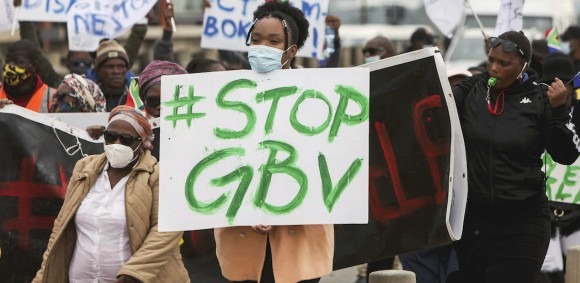
Women’s organizations play a crucial role in raising awareness about the GBV crisis and advocating for change. Through grassroots campaigns, protests, and legal advocacy, these groups have mobilized thousands of people to take a stand against gender violence. Their efforts have been instrumental in keeping the issue at the forefront of national discourse and ensuring that the voices of survivors are heard.
International Attention: The Global Response to South Africa’s Powerful Reasons
The GBV crisis in South Africa has garnered significant attention from the international community. Organizations such as the United Nations and Human Rights Watch have condemned the high rates of gender violence in the country, calling on the government to take more robust action. This global spotlight has put additional pressure on South Africa to improve its response to GBV and protect its citizens from harm.
Educational Campaigns: Raising Awareness to Prevent Powerful Reasons
Education is a key tool in preventing the GBV crisis from worsening. Many campaigns aim to change attitudes towards women and girls, emphasizing the importance of consent, respect, and equality. By educating both men and women about gender rights, South Africa hopes to foster a culture of respect and reduce incidents of violence.
The Role of Law Enforcement in Addressing the Educational Campaigns: Raising Awareness to Prevent Powerful Reasons
Law enforcement agencies in South Africa face significant challenges in addressing the GBV crisis. The police have often been criticized for failing to investigate or properly handle cases of gender-based violence. Strengthening law enforcement, providing better training for officers, and improving the reporting process for victims are essential steps toward ensuring justice for survivors.
Healthcare Support: Providing Care for GBV Survivors
Another critical aspect of addressing the Educational Campaigns: Raising Awareness to Prevent Powerful Reasons
is providing healthcare support to survivors. Victims of gender-based violence often suffer from physical injuries, mental trauma, and long-term health consequences. It is essential for hospitals and clinics to offer specialized services, including mental health counseling, legal aid, and medical treatment, to help survivors recover and rebuild their lives.
The Economic Impact of the GBV Crisis on South Africa
The GBV crisis has a far-reaching economic impact, not only on the victims but on the nation as a whole. The violence leads to lost productivity, increased healthcare costs, and a strain on the criminal justice system. Investing in programs that prevent violence and provide support to survivors could help reduce the long-term economic burden of GBV.
How South Africa Can Lead the Way in Combating GBV
South Africa is at a crossroads in its battle against the GBV crisis. With increasing national and international pressure, the government must take decisive action. This includes implementing policies that protect women and children, improving the efficiency of the justice system, and ensuring that perpetrators face consequences for their actions. If South Africa can successfully address the root causes of GBV, it could set a powerful example for other countries facing similar challenges.
FAQs
1. What is the GBV crisis in South Africa?
The GBV crisis in South Africa refers to the alarming rate of gender-based violence, including rape, domestic abuse, and femicide, affecting women and girls across the nation.
2. How is South Africa addressing the GBV crisis?
South Africa is addressing the GBV crisis through a national disaster declaration, reforms in law enforcement, increased support for survivors, and public awareness campaigns.
3. Why was GBV declared a national disaster in South Africa?
GBV was declared a national disaster to draw attention to the severity of the crisis and to ensure that more resources and urgent actions are taken to combat gender-based violence.
Conclusion
The GBV crisis in South Africa demands urgent and sustained action. While steps have been taken, including the national disaster declaration and growing advocacy from women’s groups, much more needs to be done to protect victims and hold perpetrators accountable. By implementing comprehensive reforms, providing better support for survivors, and tackling the root causes of GBV, South Africa can begin to turn the tide in this ongoing struggle for gender equality and justice.