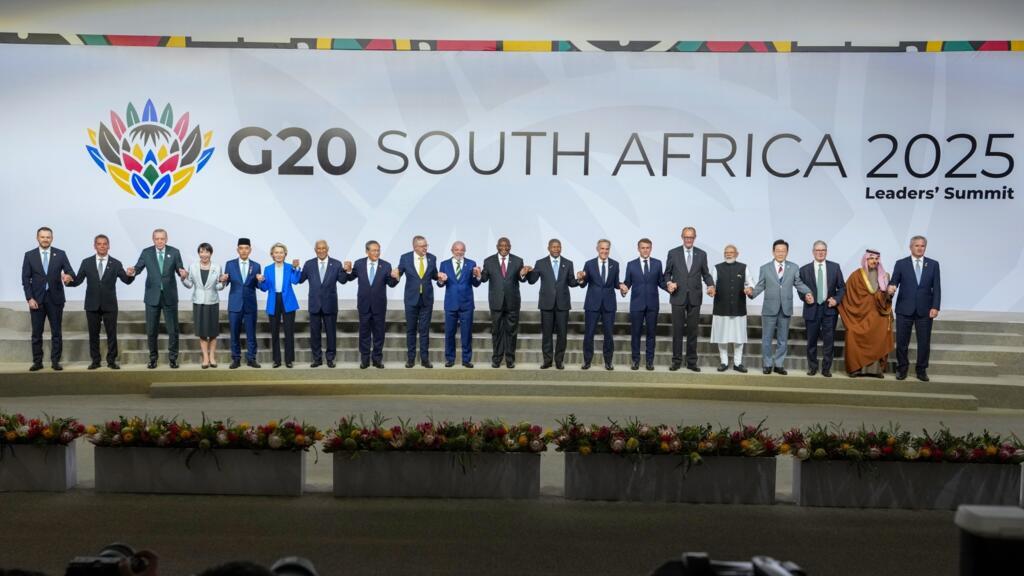
Johannesburg, 24 November 2025 – The 2025G20 Boycott concluded with significant attention on the US boycott led by former President Donald Trump. Despite the absence of the United States, South African President Cyril Ramaphosa hailed the summit as a success, emphasizing efforts to address global inequality, climate action, and Global South advocacy. Social media platforms, particularly X (formerly Twitter), erupted with satirical cartoons mocking the US isolation, underscoring global interest in the unfolding diplomatic dynamics.
What Happened at the G20 Summit
The Johannesburg-hosted summit brought together leaders from 20 major economies to discuss pressing global issues, with a focus on equitable growth, sustainable development, and climate initiatives.
While the US absence was widely noted, Ramaphosa’s leadership ensured that discussions continued productively. Delegates prioritized Global South concerns, including fair trade policies, climate financing for developing nations, and strategies to reduce economic disparities.
Key outcomes included reaffirming commitments to renewable energy adoption, addressing global supply chain inequities, and supporting policies that amplify the influence of developing countries in global decision-making.
Official Statements
In an official statement, President Ramaphosa said:
“Despite some nations’ absence, the summit successfully highlighted the challenges and priorities of the Global South. Our commitment to tackling inequality and promoting sustainable development remains stronger than ever.”
Analysts note that Ramaphosa’s proactive engagement reinforced South Africa’s leadership role in shaping G20 outcomes. He continued:
“Collaboration among emerging economies is essential to create a fairer, more equitable global order. The discussions here set a benchmark for future multilateral engagements.”
US officials did not issue a formal statement, further amplifying the US boycott narrative in global media coverage.
Focus on Global South and Policy Outcomes
A major highlight of the summit was the emphasis on Global South advocacy. Leaders discussed policies aimed at:
- Reducing economic inequalities between nations
- Expanding access to renewable energy and climate funding
- Ensuring fair representation in international institutions such as the United Nations
Experts suggest that the summit marked a shift toward more inclusive decision-making, with Ramaphosa taking a leading role in promoting the interests of developing nations. The discussions reinforced the need for long-term partnerships among emerging economies to drive sustainable growth.
Social Media Reaction
The summit quickly became a trending topic on X, with satirical cartoons and memes highlighting the US absence. Users humorously illustrated the “isolation” of the United States while praising Ramaphosa’s inclusive leadership.
Analysts suggest that these reactions, while lighthearted, reflect the broader geopolitical perception that the Global South is gaining influence in international forums. Hashtags such as #G20Boycott, #GlobalSouth, and #RamaphosaLeadership dominated online discussions, amplifying the summit’s visibility worldwide.
Impact on International Relations
Despite the boycott, the summit underscored the importance of multilateral collaboration among remaining member nations. Countries agreed to continue joint efforts to combat climate change, strengthen trade ties, and promote economic equity.
Ramaphosa’s emphasis on Global South priorities signals South Africa’s rising diplomatic profile, positioning the nation as a key mediator and leader in global economic and climate discussions.
Observers note that the US absence may have inadvertently strengthened the narrative of developing nations taking charge in multilateral platforms.
Next Steps and Future Plans
Looking ahead, participating countries plan to:
- Implement Global South-focused policy initiatives discussed at the summit
- Convene follow-up meetings to track progress on climate and inequality commitments
- Explore new trade and technology partnerships to support sustainable development
Ramaphosa confirmed that South Africa will host ministerial and working-level sessions to ensure that G20 agreements are effectively executed. Leaders reaffirmed their commitment to inclusive growth and continued advocacy for developing nations in global policy-making forums.