Introduction
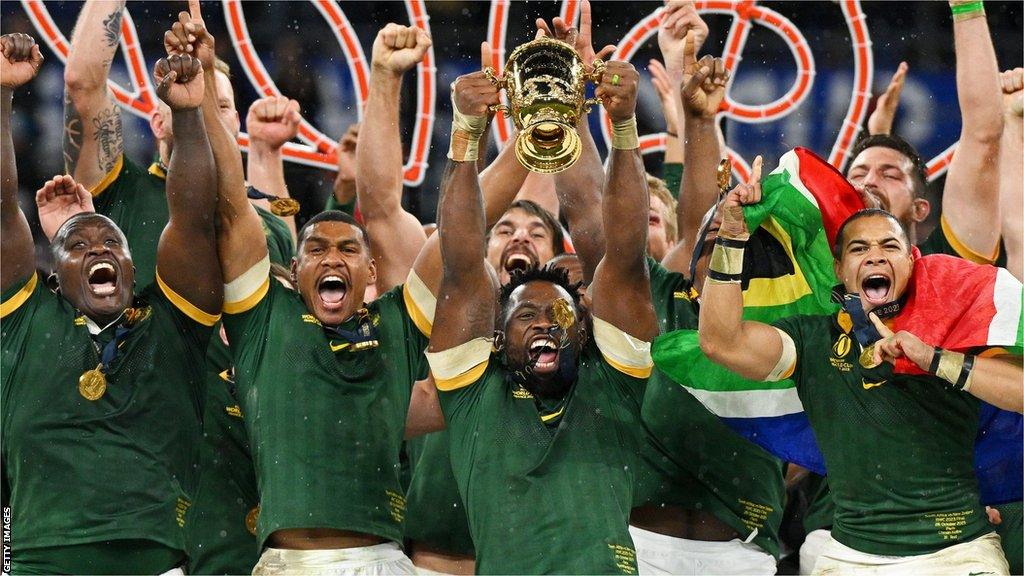
A Springboks Win always means more than just another match result. It represents pride, identity, and a level of dominance built over years of discipline and strategy. South Africa’s latest victory over Ireland was another example of how the Springboks rise to big moments with a calm, structured, and deadly efficient game plan. The match was physical from start to finish, yet South Africa managed the pressure with experience and clear thinking. Every phase of play showed intention, whether it was smart kicking, strong carries, or controlled breakdown work. This win came at the perfect time, lifting national confidence while rugby fans around the world watched a classic power-versus-precision showdown unfold. The Springboks proved once again that when they settle into their rhythm, they remain one of the toughest teams to face in global rugby.
Springboks Win and Set-Piece Strength Shapes the Match
A Springboks Win is almost always built on set-piece excellence, and this match showed how important those foundations are. South Africa’s scrum applied pressure early, pushing Ireland off balance and forcing them to play from awkward positions. Every engagement in the front row sent a message that the Springboks intended to dominate physically. In the lineout, their timing and communication were sharp, giving them secure ball that allowed structured attacking platforms. This control made Ireland chase the game, as they struggled to create clean phases under pressure. The maul—one of South Africa’s most trusted weapons—created momentum and penalties, helping them advance into scoring zones. Even when Ireland tried to speed up play with quick rucks, South Africa’s defensive line stayed patient and disciplined. The set-piece didn’t just win ball—it shaped the psychological energy of the game, allowing the Springboks to dictate pace, space, and confidence from start to finish.
Springboks Win Through Eben Etzebeth’s Dominant Leadership
A Springboks Win often reflects the steady presence of Eben Etzebeth, and this match highlighted his influence again. From the first collision, he played with intensity and authority, setting the emotional and physical tone for South Africa’s forward pack. His sharp reads at the ruck slowed down Ireland’s attempts at quick ball, helping the Springboks maintain control of the defensive tempo. In aerial contests and lineouts, his physical presence disrupted Irish structure. What stood out most was his leadership—calm communication with teammates, composed interactions with the referee, and a stabilizing presence when the game grew tense. Younger forwards mirrored his focus throughout the match. Etzebeth didn’t just make tackles; he shaped the overall rhythm of the pack. His ability to combine power, intelligence, and composure was central to South Africa’s success in this win.
Springboks Win Boosted by Pieter-Steph du Toit’s Relentless Work Rate
Another standout factor in the Springboks Win was Pieter-Steph du Toit’s remarkable work rate. He covered more ground than almost anyone on the field, bringing defensive consistency and attacking momentum. His tackles came at crucial moments, shutting down Ireland’s attempts to build width or speed up the game. At the breakdown, he applied pressure that either slowed the ball or forced handling errors. On attack, he carried with purpose, often drawing multiple defenders and opening spaces for others. Du Toit’s decision-making under pressure helped stabilize the Springbok structure at key times. His experience showed in how he balanced physicality with smart positioning. His tireless performance kept South Africa grounded even when Ireland pushed back with intensity. Du Toit’s influence was a major part of why the Springboks stayed composed and controlled the flow of the match.
Springboks Win Strengthened by Malcolm Marx’s Power and Precision
This Springboks Win also showcased Malcolm Marx’s exceptional performance. From the first scrum, he demonstrated impressive strength and timing, establishing dominance in the forward exchanges. His lineout throws were consistent and accurate, helping South Africa build reliable attacking platforms. At the breakdown, Marx showed why he is one of the world’s best ball-stealers—his turnovers created momentum shifts and forced Ireland to rethink their ruck strategy. With ball in hand, he carried powerfully, often bending the defensive line and giving the Springboks front-foot possession. Marx’s ability to combine physical power with technical skill made him a disruptive force throughout the game. His presence added depth and stability to South Africa’s pack, making them incredibly difficult to outmuscle in tight phases. His performance played a major role in securing this important victory.
Springboks Win Despite Ireland’s Defensive Resistance
A Springboks Win is rarely simple, and Ireland made sure of that. Despite suffering multiple yellow cards and even a red card, Ireland refused to collapse. At one stage they played with only 12 men, yet their defensive line remained stubborn and organized. This unusual scenario put unexpected pressure on South Africa. Playing against a reduced team can create mental traps: rushing plays, forcing passes, or losing structure. Instead, the Springboks adjusted wisely. They kept their tempo controlled, avoided unnecessary risks, and patiently waited for opportunities. Ireland’s grit forced South Africa to stay disciplined and sharp. The Springboks’ ability to remain calm in these unpredictable moments showed their maturity as a team. They didn’t chase flashy tries—they trusted their systems, maintained pressure, and eventually broke through Ireland’s resilience. It was a test of patience as much as power.
Springboks Win Sends a Strong Message Across World Rugby
Every Springboks Win against a top nation sends a message, but beating Ireland on their home turf carries extra weight. Ireland is known for precision, structure, and consistency, yet South Africa managed to disrupt those strengths. By controlling collisions, winning territory through smart kicking, and defending with discipline, the Springboks reminded the world why they are double World Cup champions. Their performance showed that they are not just tournament specialists—they are a year-round powerhouse capable of winning big matches anywhere. Teams around the world study South Africa’s methods, but stopping them is a different challenge. This victory emphasizes that the Springboks’ blend of physical dominance and strategic intelligence keeps them at the top of international rugby. It was a warning shot to all rivals preparing for upcoming global competitions.
Springboks Win Lifts National Morale During Global Events
A Springboks Win rarely stays on the field—it spills into the emotions of the nation. With global events like the G20 dominating international news and local challenges affecting daily life, South Africans needed something uplifting. This victory delivered that spark. It brought people together across provinces, backgrounds, and social divides. Rugby holds a unique place in South Africa’s story: it represents unity, resilience, and national pride. When the Springboks win a tough match, it strengthens that emotional connection. Fans celebrated online, shared reactions, and expressed gratitude for a moment of collective joy. The team’s success reminded the country of what is possible through discipline and teamwork. The emotional impact was clear: this win arrived at the perfect time to lift national spirits.
Springboks Win Reflects Years of Strategic Planning and Squad Depth
Another key reason behind the Springboks Win was the depth created through years of planning. Under Rassie Erasmus and his coaching team, South Africa has developed a squad capable of adapting to any match situation. The rotation system used during the tour ensured key players were rested and fresh for defining moments. Younger talents were introduced gradually, gaining experience without disrupting team balance. Against Ireland, this depth showed clearly—the bench added energy, support, and smart decision-making. South Africa played with structure even when substitutions occurred, proving that every player understood the game plan. This long-term vision is what separates the Springboks from many teams. They are not built for one competition—they are built for sustainable success across seasons. The Ireland win reflected the strength of this system.
Springboks Win Highlights a Modern, Evolving Style of Dominance
This Springboks Win also showcased how much their playing style has evolved. While physicality remains a core part of their identity, the Springboks now mix power with intelligent movement, tactical kicking, and strategic creativity. The backs used space effectively, while the forwards combined strength with mobility. South Africa’s ability to switch between direct attacks and wider plays kept Ireland guessing. Their defensive patterns were sharp, their counterattacks were timely, and their decision-making under pressure reflected a team comfortable playing in multiple styles. This modern approach makes the Springboks far less predictable than in earlier eras. They can overpower teams when needed, but they can also outthink opponents through strategy. The Ireland match was a perfect example of this balance between tradition and evolution.
FAQs
Why was this Springboks Win important?
The Springboks Win was crucial because Ireland is extremely strong at home, making this victory a significant statement.
Which players influenced the Springboks Win the most?
Top contributors to the Springboks Win included Etzebeth, Pieter-Steph du Toit, and Malcolm Marx.
How does a Springboks Win affect global rugby perception?
A Springboks Win reinforces South Africa’s reputation as one of world rugby’s most dominant and consistent teams.
Conclusion
A Springboks Win over Ireland is more than a scoreline—it is a powerful display of strategy, resilience, and world-class talent. South Africa controlled the critical moments, managed the chaotic phases with maturity, and showed why they remain a global rugby powerhouse. The victory boosted national pride, strengthened their international reputation, and proved that their blend of discipline, depth, and intelligence continues to define modern excellence. With performances like this, the Springboks show no signs of slowing down, standing tall as one of the most respected teams in world rugby.