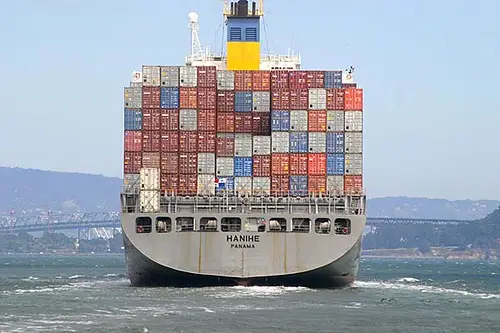
The Mauritius Free Trade Zone, also known as the Mauritius Freeport, has become a cornerstone for international commerce in the Indian Ocean. Its unique position at the intersection of Africa, Asia, and Europe makes it an attractive platform for businesses seeking efficiency, cost savings, and reliable access to global markets.
1. Strategic Location With Global Reach
Geography plays a decisive role in trade. The Mauritius Free Trade Zone benefits from its location in Port Louis, the island’s capital, with direct access to both maritime and air routes. This dual connectivity enables businesses to import, process, store, and re-export goods with minimal logistical delays.
Gateway to Africa and Beyond
The Freeport is not just about Mauritius it serves as a springboard into Africa, Asia, and the Middle East. Many international companies use it as a regional hub to distribute goods efficiently across multiple continents.
Reduced Shipping Time
Integration with port and airport facilities helps companies shorten transit times significantly, which is crucial for perishable goods and fast-moving consumer products.
2. Attractive Investment Incentives
One of the main reasons investors are drawn to the Mauritius Free Trade Zone is its pro-business environment. Companies enjoy reduced corporate tax rates, customs duty exemptions, and simplified administrative procedures that allow them to focus on growth rather than red tape.
Favorable Tax Environment
The tax framework is designed to promote competitiveness. Duty-free imports, VAT exemptions, and lower operational costs make Mauritius Freeport one of the most cost-effective trade zones in the Indian Ocean.
Full Foreign Ownership
Foreign investors can own 100% of their businesses in the Free Trade Zone. Coupled with flexible profit repatriation policies, this makes it a highly attractive destination for global entrepreneurs.
3. Modern Infrastructure and Logistics
The Mauritius Freeport spans over 400,000 square meters of built-up infrastructure. Facilities include bonded warehouses, advanced cold storage for perishable goods, and specialized zones for value-added processing, all designed to meet international standards.
Integration With Port and Airport
Few free zones worldwide offer such seamless integration with port and airport facilities. This ensures a highly reliable supply chain and makes the Mauritius Free Trade Zone ideal for time-sensitive industries.
Technology-Driven Solutions
With ongoing digital transformation initiatives, logistics operations are increasingly automated. This shift improves efficiency, reduces costs, and enhances transparency across supply chains.
4. Access to Regional and International Markets
Mauritius enjoys preferential trade agreements with multiple economic blocs, including COMESA, SADC, the EU, and the U.S. These agreements provide businesses in the Mauritius Free Trade Zone with privileged access to some of the world’s largest consumer markets.
Strategic Trade Agreements
These agreements allow exporters to benefit from reduced tariffs and trade preferences, giving them a significant competitive edge in global markets.
Diversified Market Reach
From African neighbors to European and American partners, the Mauritius Freeport offers companies a diverse customer base with strong growth potential.
5. Strong Growth Opportunities
The Mauritius Free Trade Zone is positioned for growth as global demand for logistics and efficient supply chains continues to rise. It serves industries ranging from manufacturing and technology to food processing and pharmaceuticals.
A Growing Role in Africa
As Africa becomes an increasingly important player in global trade, Mauritius offers a stable and business-friendly entry point for international investors targeting the continent’s expanding consumer base.
6. Digital Transformation and Innovation
Digitalization is reshaping trade worldwide, and Mauritius is keeping pace. By modernizing customs procedures and introducing paperless trade systems, the Freeport ensures faster processing and greater transparency for all stakeholders.
Smart Logistics Solutions
Automation in warehousing, real-time shipment tracking, and integrated IT systems are being implemented to support companies operating in the Free Trade Zone.
7. Commitment to Sustainability and Compliance
Global investors are increasingly focused on sustainability. The Mauritius Free Trade Zone has embraced eco-friendly practices such as green warehousing and energy-efficient facilities. Compliance with international governance norms further strengthens its reputation as a responsible hub.
Challenges and the Road Ahead
Despite its strengths, the Mauritius Free Trade Zone faces challenges, including competition from other free zones and the need for continuous modernization. However, ongoing reforms in digitalization, sustainability, and policy improvements show strong commitment to remaining competitive.
For further credibility, see the official Economic Development Board of Mauritius which outlines investment opportunities in the Freeport.
Conclusion
The Mauritius Free Trade Zone is more than just a logistics hub it is a strategic gateway for global commerce. With its favorable tax environment, cutting-edge infrastructure, and strong sustainability focus, Mauritius is positioning itself as a global benchmark. For companies seeking reliable entry into Africa and international markets, the Mauritius Freeport offers unmatched opportunities.
Looking to explore more about Mauritius evolving trade hubs? Read our related post on Mauritius trade news.