Introduction
Fuel Smuggling has turned Libya’s most valuable resource into a source of massive loss and insecurity. In just three years, an estimated 20 billion dollars in public money has vanished through illegal fuel schemes tied to powerful politicians, militias, and business figures. Cheap, subsidized fuel at home and higher prices in neighboring states create the perfect profit gap for criminal groups.
What began as local side deals has grown into a vast shadow system that weakens Libya’s economy, fuels conflict, and blocks efforts to rebuild the state. As the networks expand, ordinary Libyans pay the price through shortages, rising prices, and a lack of public services.
Fuel Smuggling And Libya’s Missing Billions
Fuel Smuggling has cost Libya roughly 20 billion dollars between 2022 and 2024, according to recent investigations. This amount is more than what the country spent on key services such as education and healthcare. Instead of improving daily life, the money has flowed into private pockets and armed groups.
The losses come not only from stolen fuel but also from the cost of importing fuel that never reaches citizens. The economy suffers as inflation rises and the Libyan dinar weakens. The scandal has become a symbol of the deep structural problems that stand in the way of national recovery.
Fuel Smuggling And How The System Works
Fuel Smuggling depends on Libya’s extremely low, subsidized fuel prices. Smugglers buy cheap fuel from official depots, gas stations, or state wholesalers. Then they divert the fuel away from legal distribution routes.
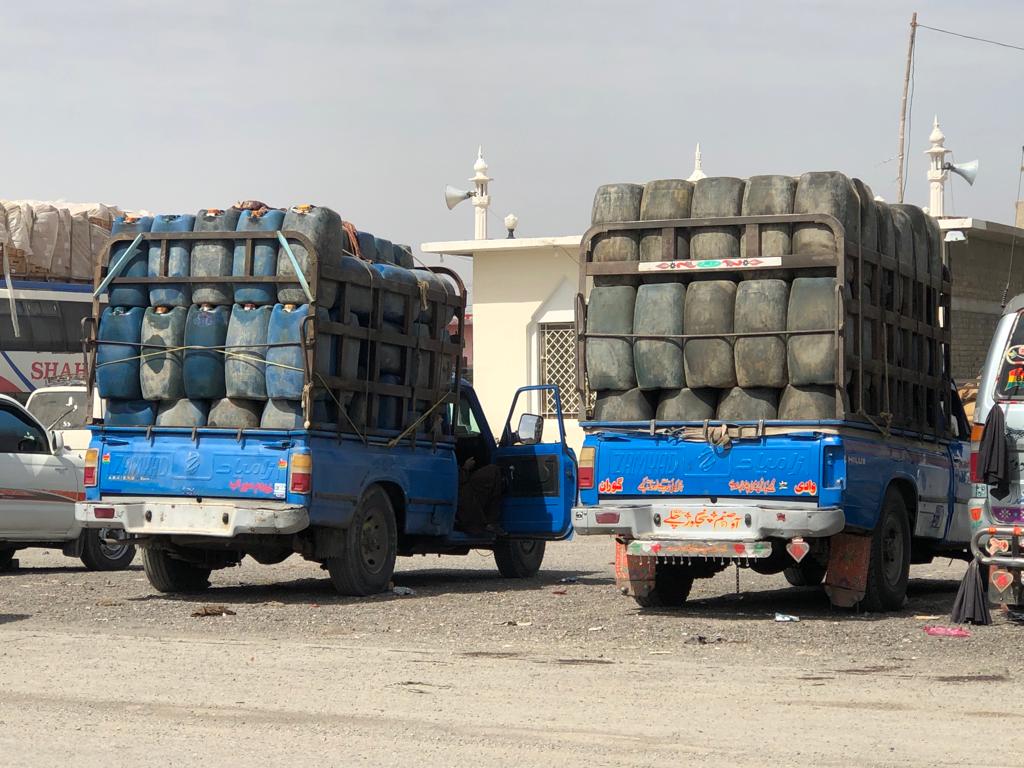
From there, the fuel moves across borders by trucks or leaves through ports on small tankers. Paperwork is forged so the stolen fuel appears legal once sold abroad. Officials and militia commanders are paid bribes at every stage. This organized structure allows the smuggling system to operate like a parallel economy—one based entirely on theft.
Fuel Smuggling And Political Complicity
Fuel Smuggling in Libya is not run by low-level criminals alone. Investigations show that senior political and security figures in both eastern and western Libya support or protect the trade.
These individuals control access to ports, fuel depots, and border points. They influence state companies responsible for fuel transport, helping create weak records and limited audits. While publicly claiming to fight corruption, they privately enable one of the largest theft networks in the country’s history. This political involvement is one of the biggest barriers to reform.
Fuel Smuggling And Armed Groups
Fuel Smuggling profits help strengthen militias and armed groups in different regions of Libya. These groups use the money to buy weapons, pay fighters, and maintain influence over local populations.
Reports link the fuel trade to the forces of Khalifa Haftar in the east and to various groups in the west. These profits give militias financial independence, making them difficult to control through political agreements. As long as the smuggling network remains profitable, many armed groups will resist becoming part of a unified national security force.
Fuel Smuggling And Regional Conflict Zones
Fuel Smuggling extends well beyond Libya’s borders. Cheap Libyan fuel has reportedly reached Sudan, Chad, and Mali. In Sudan, it has been linked to funding armed factions involved in the country’s civil conflict.
This means the smuggling crisis is not only a Libyan issue—it is a regional security threat. The flow of illegal fuel strengthens militant groups, destabilizes neighboring countries, and expands the influence of war economies across Africa.
Fuel Smuggling And The Role Of State Companies
Fuel Smuggling involves Libya’s National Oil Corporation (NOC) and its subsidiary Brega Petroleum Company, which oversee fuel imports and distribution. Weak oversight allows large amounts of fuel to disappear before reaching consumers.
While many employees work honestly, political interference, corruption, and lack of transparency make it easy for stolen fuel to appear as “missing” or “lost” in records. The scale of these losses raises concerns about how deeply the state apparatus has been infiltrated by networks seeking profit.
Fuel Smuggling And Libya’s Economy
Fuel Smuggling harms Libya’s already fragile economy. Stolen fuel means higher import costs, more strain on foreign reserves, and greater pressure on the central bank. Increasing prices for daily goods make life difficult for ordinary families.
Power outages become more frequent when electricity stations lack reliable fuel. Businesses suffer from unpredictable costs, and foreign investors stay away due to corruption. This cycle keeps Libya stuck in an unstable economic situation that limits development.
Fuel Smuggling And International Responsibility
Fuel Smuggling also depends on international actors. Some foreign shipping companies, traders, and buyers have ignored warning signs and purchased questionable Libyan fuel. Their cooperation helps turn stolen fuel into legitimate products on the global market.
International efforts like the EU’s Operation Irini try to monitor illegal shipments, but enforcement is difficult. Stronger sanctions, stricter financial tracking, and better cooperation with Libyan investigators are needed to slow the global flow of stolen fuel.
Fuel Smuggling And Possible Solutions
Reducing Fuel Smuggling requires both domestic change and international action. Libya must improve transparency in fuel imports and strengthen anti-corruption institutions. Protecting whistleblowers, journalists, and investigators is essential.
Fuel subsidies must be reformed gradually to reduce the profit gap that encourages smuggling. International partners should enforce sanctions on key individuals and companies that support the network. Together, these steps can begin dismantling the system.
FAQs
1. What is Fuel Smuggling in Libya?
Fuel Smuggling in Libya refers to the illegal theft, transport, and sale of subsidized fuel by networks involving militias, corrupt officials, and foreign partners.
2. How much money has Fuel Smuggling cost Libya?
Fuel Smuggling is estimated to have cost Libya around 20 billion dollars in recent years, creating major shortages and economic losses.
3. Why is Fuel Smuggling so hard to stop?
Fuel Smuggling is difficult to stop because it is protected by powerful political figures, armed groups, and international buyers who profit from the illegal trade.
Conclusion
Fuel Smuggling remains one of Libya’s most damaging challenges, draining public funds and empowering groups that destabilize the country. The $20 billion loss reflects years of corruption, weak oversight, and political division. Ending this crisis will require strong institutions, transparent fuel systems, and real accountability for those involved. With firm action and cooperation, Libya can protect its resources, restore public trust, and move toward a more secure and stable future.