Introduction
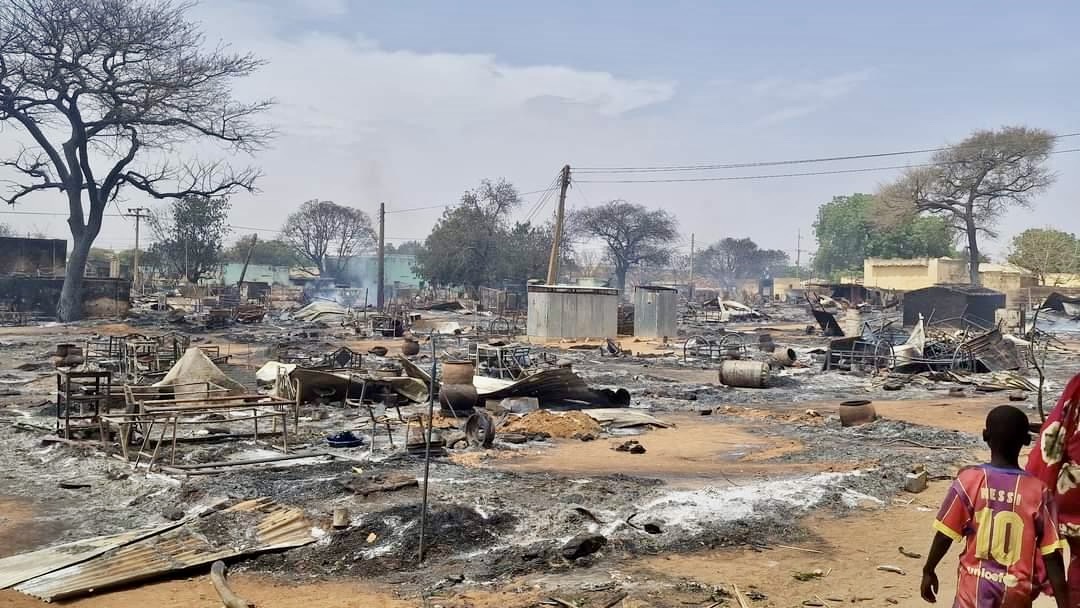
The Darfur Crisis has intensified as Sudan’s Rapid Support Forces (RSF) launched targeted attacks on civilians in North Darfur following their takeovers of El Fasher and Bara. These operations have exacerbated an already dire humanitarian situation, displacing thousands and creating urgent shortages of food, water, and medical aid. Reports indicate that civilians are being subjected to looting, violence, and intimidation, further destabilizing the region. Humanitarian organizations face significant challenges in delivering aid due to security risks. International observers warn that continued violence may worsen the crisis, undermine regional stability, and put more lives at risk. Authorities are under pressure to protect civilians and restore order.
Darfur Crisis — 1) Overview of the Situation
The Darfur Crisis has roots in long-standing ethnic, political, and social tensions. Historically, Darfur has been plagued by armed conflicts and government neglect. The recent escalation by RSF has intensified violence, particularly in urban centers such as El Fasher and Bara. Civilians face heightened threats from armed groups, resulting in mass displacement. The ongoing conflict highlights vulnerabilities in governance, law enforcement, and security infrastructure. Understanding the broader context of the Darfur Crisis is essential for addressing humanitarian needs and planning effective intervention strategies.
Darfur Crisis — 2) RSF Takeovers in El Fasher and Bara
The Darfur Crisis escalated significantly after RSF forces seized key cities, including El Fasher and Bara. These takeovers allowed the paramilitary group to consolidate power and extend control over strategic areas. Following these advances, reports emerged of civilian attacks, intimidation, and property destruction. Local residents describe heightened insecurity and fear of further violence. The RSF’s actions have not only deepened local instability but have also drawn international attention, with human rights organizations calling for immediate intervention to protect vulnerable populations.
Darfur Crisis — 3) Civilian Casualties and Attacks
In the Darfur Crisis, civilians have borne the brunt of RSF aggression. Numerous reports indicate killings, beatings, and harassment targeting residents, including women and children. Humanitarian agencies report growing casualties and injuries from indiscriminate attacks. The deliberate targeting of civilians underscores the severity of the crisis and the urgent need for protection measures. As violence escalates, the population faces increased psychological trauma, loss of livelihood, and fear of further atrocities, complicating relief operations and community resilience.
Darfur Crisis — 4) Humanitarian Impact and Displacement
The Darfur Crisis has caused massive displacement across North Darfur. Thousands of families have fled their homes to escape RSF attacks, seeking refuge in overcrowded camps and temporary shelters. The sudden influx of displaced persons has strained local resources, making access to safe housing, food, and healthcare increasingly difficult. Humanitarian organizations struggle to meet rising needs, and insecurity hampers aid delivery. The crisis has created a severe humanitarian emergency, demanding coordinated efforts from international agencies and local authorities.
Darfur Crisis — 5) Food, Water, and Medical Shortages
A critical consequence of the Darfur Crisis is the acute shortage of basic necessities. Displaced populations face scarcity of clean water, sufficient food, and medical supplies. Hospitals and clinics are overwhelmed or inaccessible due to insecurity, and malnutrition rates are rising. Humanitarian organizations emphasize the urgent need for resource mobilization to prevent further suffering. Sustaining essential services in the midst of ongoing attacks remains a formidable challenge, highlighting the importance of international assistance and protection measures.
Darfur Crisis — 6) International Response and Aid Efforts
The Darfur Crisis has triggered concern from international organizations, including the United Nations, African Union, and humanitarian NGOs. Efforts include emergency relief distribution, medical support, and coordination of refugee assistance. However, RSF attacks and instability limit access to affected areas, reducing the effectiveness of aid. Diplomatic interventions and advocacy aim to pressure authorities for civilian protection and conflict resolution. Continued global engagement is vital to mitigate the humanitarian impact and prevent further escalation.
Darfur Crisis — 7) Regional Security Risks
Beyond immediate humanitarian concerns, the Darfur Crisis poses broader security risks for Sudan and neighboring countries. The escalation of violence in North Darfur may destabilize adjacent regions, increasing refugee flows and straining cross-border resources. Armed groups exploiting chaos could expand operations, exacerbating insecurity. Regional actors and international partners remain vigilant to prevent spillover effects. Addressing the crisis requires a combination of security measures, conflict resolution, and humanitarian support to restore stability in Darfur and the surrounding areas.
Darfur Crisis — 8) Lessons from Past Conflicts
The Darfur Crisis highlights the recurring challenges in Sudan, where previous conflicts have caused long-term humanitarian suffering. Lessons include the importance of early intervention, protection of civilians, and timely humanitarian aid. Previous responses underscore the need for effective coordination between local authorities, humanitarian agencies, and international actors. Applying these insights can improve preparedness and reduce casualties, helping to manage the current crisis more efficiently.
Predictions and Outlook
The Darfur Crisis is likely to continue unless effective measures are implemented. Analysts predict further displacement and potential intensification of attacks if RSF operations persist unchecked. Strengthening security, providing humanitarian support, and engaging in diplomatic interventions are crucial to prevent deterioration. Long-term stability will require addressing underlying political, ethnic, and social grievances to reduce the risk of future crises in Darfur and Sudan more broadly.
FAQs
Q1: What caused the Darfur Crisis?
The Darfur Crisis is caused by a combination of ethnic tensions, political instability, and RSF attacks on civilians in North Darfur.
Q2: Which areas are most affected by the Darfur Crisis?
El Fasher and Bara are among the most affected areas due to RSF takeovers and civilian targeting.
Q3: How is humanitarian aid delivered during the Darfur Crisis?
Aid is provided by UN agencies and NGOs, though insecurity often limits access to affected populations.
Conclusion
The Darfur Crisis has escalated dramatically with RSF attacks on civilians in North Darfur, particularly after the takeovers of El Fasher and Bara. Humanitarian impacts, including displacement, food and water shortages, and insecurity, remain severe. International organizations and local authorities face enormous challenges in protecting civilians and providing essential aid. Lessons from past conflicts highlight the need for early intervention, coordination, and sustained support. Addressing the Darfur Crisis requires urgent action to safeguard lives, restore stability, and prevent further deterioration in this vulnerable region.