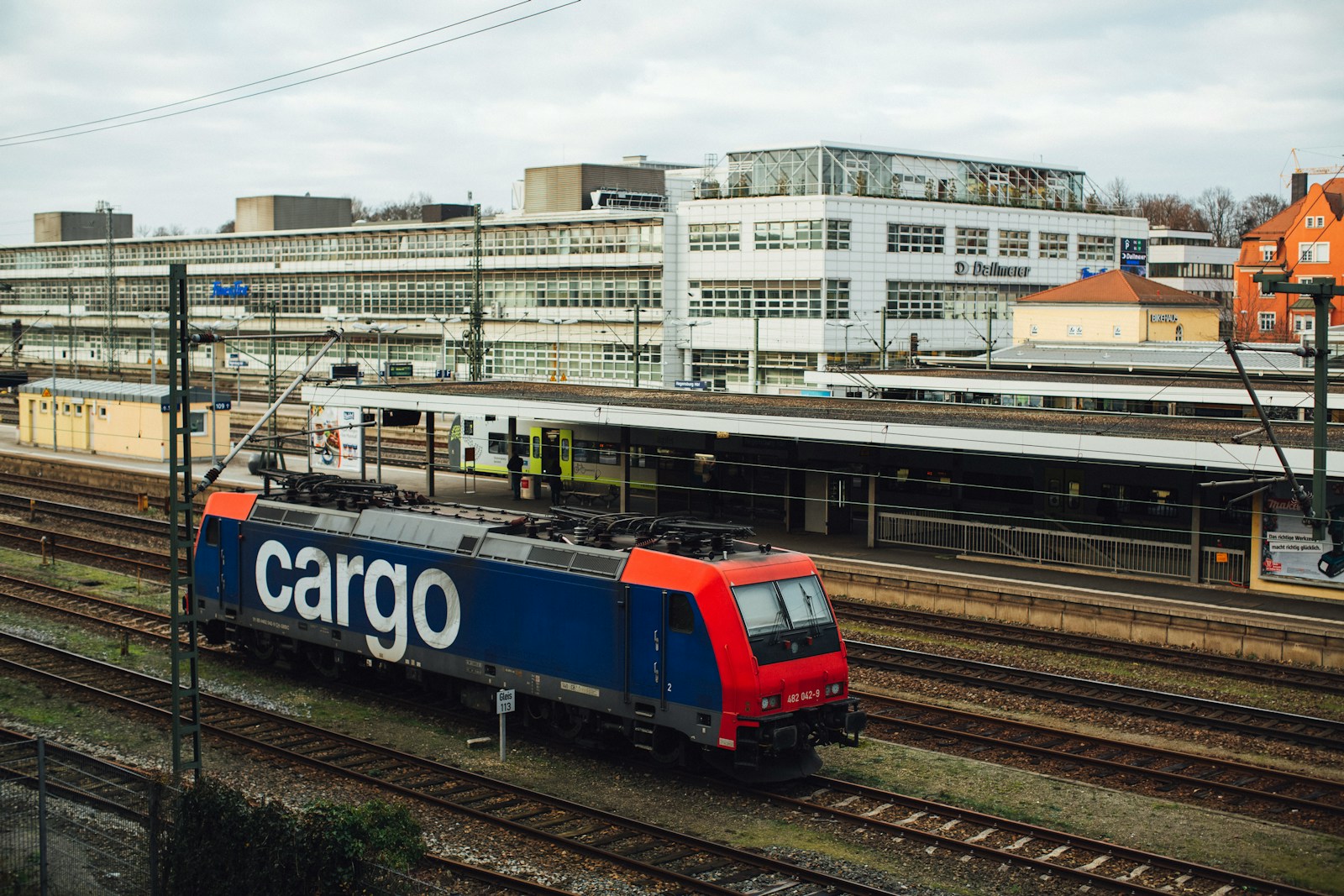
The Port of Gauteng represents one of the most ambitious and transformative logistics projects in South Africa’s modern history. With a planned investment of R50 billion, this inland port is expected to reduce road congestion, modernize freight handling, and generate over 50,000 sustainable jobs. Positioned at the heart of the country’s main trade corridors, the project is designed to reshape the logistics sector and set a new benchmark for efficiency and sustainability.
Why the Port of Gauteng Matters for South Africa
South Africa’s logistics system has long faced pressure from rising trade volumes, urban growth, and global e-commerce expansion. Giants like Shein, Temu, and Amazon have significantly increased demand for fast and reliable freight services. The Port of Gauteng provides a long-term solution by shifting freight from congested roads to modernized rail, directly tackling the country’s infrastructure challenges.
Strategic Location at the Heart of Trade
Located at the junction of the Container Rail Corridor and major highways such as the N3, N12, and N17, the port enjoys an ideal position. This allows seamless connectivity between Durban, Johannesburg, and other industrial hubs. By integrating with both road and rail systems, the port enhances South Africa’s role as a regional trade leader.
Connectivity and Access
The design incorporates two 2.2-kilometre flat rail alignments, ensuring rapid container handling and efficient transfer between road and rail. A world-class automotive terminal is also included, reflecting the growing demand for imported vehicles and related industries.
Port of Gauteng and the Shift from Road to Rail
Currently, rail transport on the Durban–Gauteng corridor handles less than 14% of freight, far below the National Development Plan’s 50% target. The Port of Gauteng directly addresses this imbalance by enabling faster and more reliable rail services, reducing pressure on highways and lowering transport costs.
Performance-Based Standards (PBS) Vehicles
One of the project’s standout innovations is the integration of Performance-Based Standards vehicles long truck and trailer combinations capable of carrying two containers. These vehicles cut truck traffic by one-third along the N3, improve safety, and optimize logistics performance. According to transport experts, this approach is one of the most significant advancements in heavy vehicle efficiency in decades.
Capacity to Handle Future Growth
Container volumes are expected to rise from 2.8 million to more than 11.2 million annually over the coming years. The Port of Gauteng has been designed with this growth in mind, featuring purpose-built rail alignments, streamlined cargo terminals, and advanced train-to-truck systems that reduce turnaround times to just three hours.
Restoring Rail Competitiveness
Logistics specialists emphasize that these innovations restore confidence in rail freight. Shippers can now rely on competitive transit times, improved cost efficiency, and reduced delays. For global trade partners, this means South Africa becomes a more reliable gateway for imports and exports.
Sustainability at the Core
The port is not only about efficiency it also champions sustainability. Solar power, rainwater harvesting, and advanced recycling systems are integral features. These measures support South Africa’s carbon reduction commitments while aligning with global efforts toward greener supply chains.
Global Relevance and Green Logistics
International trade increasingly rewards countries that adopt eco-friendly practices. By incorporating renewable energy and waste reduction systems, the Port of Gauteng positions South Africa as a forward-looking logistics hub. (See UNCTAD report on sustainable logistics for global context.)
Economic Impact and Job Creation
Beyond logistics, the port promises significant socio-economic benefits. Tens of thousands of permanent jobs will be created, spanning transport, warehousing, technology, and administration. The multiplier effect will stimulate surrounding businesses, from construction to retail, boosting regional economies.
Long-Term National Development Goals
As South Africa moves toward its NDP 2030 goals, the port supports objectives of economic diversification, infrastructure modernization, and sustainable growth. It also encourages foreign investment by offering reliable logistics systems essential for global trade participation.
5 Powerful Reasons the Port of Gauteng Is a Game-Changer
- Massive Job Creation: Over 50,000 sustainable roles for local communities.
- Reduced Road Congestion: Significant decrease in truck traffic along the N3 corridor.
- Increased Rail Efficiency: Competitive turnaround times and restored confidence in rail.
- Sustainability Leadership: Solar energy, recycling, and eco-friendly operations.
- Future-Proof Capacity: Infrastructure designed to handle four times current container volumes.
Conclusion: A Positive Shift for South Africa’s Trade
The Port of Gauteng is more than a logistics project it is a symbol of South Africa’s readiness for the future of trade. By combining innovation, sustainability, and efficiency, it sets a global benchmark for inland ports. Its success will ease road congestion, improve safety, create jobs, and secure a resilient multimodal freight network capable of driving growth for decades.
For related insights, explore our article on Africa Trade News, which connects the dots between national infrastructure projects and economic resilience.