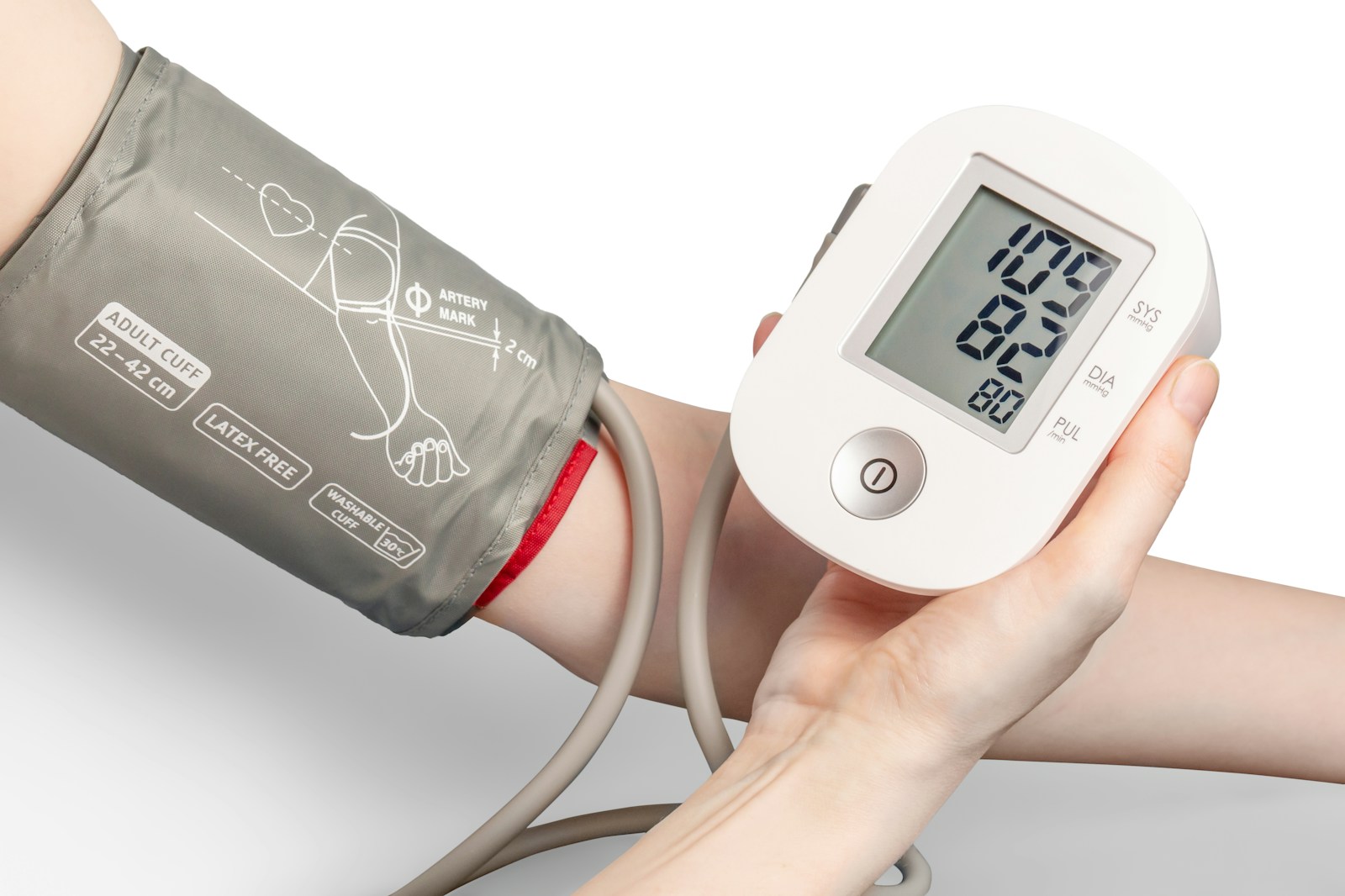
The Ministry of Health in Mauritius has officially launched a comprehensive E-Health training program, marking a significant step towards modernizing the national healthcare system. This initiative is designed to equip medical professionals with the skills necessary to leverage digital tools effectively, improving patient care and hospital management across the country.
Understanding the Importance of E-Health Training
In a rapidly digitizing world, healthcare systems cannot remain stagnant. The new E-Health training initiative provides essential knowledge on electronic health records, telemedicine, and health information systems. Professionals attending the program will learn to streamline administrative processes, reduce errors, and enhance overall efficiency in healthcare facilities.
Improving Patient Care with Digital Tools
One of the primary benefits of E-Health training is the enhancement of patient care. Through digital records and teleconsultation, doctors can access patient histories instantly, enabling more accurate diagnoses and faster treatment plans. The training emphasizes practical applications, allowing participants to integrate technology into their daily medical routines seamlessly.
Strengthening Hospital Management
Hospital administrators also benefit significantly from E-Health training. Learning to utilize health information systems enables better resource allocation, monitoring of staff performance, and management of medical supplies. These skills contribute to a more organized and responsive healthcare environment.
Key Modules in the E-Health Training Program
The training program covers several critical modules aimed at equipping participants with a comprehensive understanding of digital healthcare systems:
Electronic Health Records (EHR)
The EHR module teaches healthcare professionals how to digitize patient information securely, ensuring privacy and accessibility. This module highlights best practices for data management and compliance with national and international health regulations.
Telemedicine and Remote Care
Telemedicine has emerged as a vital tool for extending healthcare services to remote areas. E-Health training includes hands-on sessions for video consultations, remote diagnostics, and patient monitoring, making healthcare more accessible to underserved communities.
Health Information Systems and Analytics
Data-driven decision-making is central to modern healthcare. Participants learn to use analytics platforms to track patient outcomes, forecast medical supply needs, and evaluate program efficiency. The training emphasizes how analytics can drive strategic planning and policy development.
Benefits of E-Health Training for Mauritius
The national rollout of E-Health training is expected to generate tangible benefits for the country:
1. Increased Efficiency
Digitization of patient records and administrative tasks reduces redundancy and saves valuable time for medical staff. Hospitals can manage higher patient volumes without compromising quality.
2. Enhanced Accessibility
Telemedicine capabilities allow patients in rural or remote areas to receive consultations without traveling long distances. This approach promotes health equity across Mauritius.
3. Better Decision-Making
With advanced analytics and real-time data from health information systems, hospital administrators and policymakers can make informed decisions that improve public health outcomes.
4. Professional Development
Healthcare professionals enhance their skill sets and become proficient in modern technologies, making them more valuable in a competitive job market.
5. Long-Term Sustainability
By integrating E-Health training into the national strategy, Mauritius is laying the groundwork for a sustainable, resilient, and modern healthcare system that can adapt to future challenges.
Supporting Mauritius’ Health Digital Transformation
The government collaborates with international partners to provide cutting-edge resources and infrastructure. External experts contribute to the curriculum, ensuring that E-Health training reflects global best practices. This approach strengthens both knowledge transfer and international credibility.
Challenges and Opportunities
While the program is promising, challenges remain. Infrastructure limitations, internet connectivity in rural areas, and the adaptation of staff to digital tools must be addressed. However, with continuous support and follow-up training, these challenges can be mitigated, opening the door to broader digital healthcare adoption.
Conclusion
The launch of the E-Health training program in Mauritius represents a pivotal step in modernizing the national healthcare system. By empowering professionals with digital skills, improving patient access, and enhancing operational efficiency, the initiative promises long-term benefits. It is an investment in both human capital and national health infrastructure, setting a benchmark for other countries in the region.
For more insights on mauritius news, visit our internal article on our articles and refer to the World Health Organization’s guidelines on E-Health for global standards.