Introduction
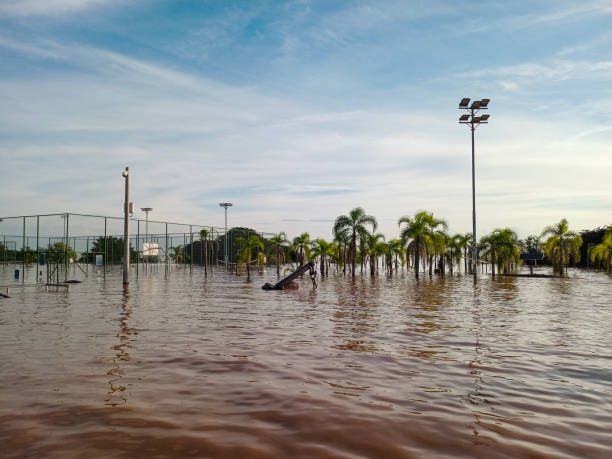
The Gauteng Floods have severely impacted Johannesburg and surrounding areas, causing extensive street flooding and prolonged power outages. City Power has indicated that electricity restoration may take up to 48 hours in some neighborhoods. These floods highlight vulnerabilities in infrastructure, emergency response, and public preparedness. Social media has played a vital role, with residents sharing updates, images, and using the hashtag #GautengStorms to inform the public. Understanding the lessons from these floods is critical for both authorities and residents. This article provides 10 essential insights to navigate future storms, mitigate damage, and improve community resilience.
Gauteng Floods: Evaluating Infrastructure Vulnerabilities
The floods revealed weaknesses in roads, drainage systems, and power networks. Heavy rainfall overwhelmed existing drainage infrastructure, causing submerged streets and property damage. Electrical substations and lines were affected, delaying power restoration. Authorities must invest in modern infrastructure and conduct regular maintenance. Residents should be aware of vulnerable areas and take measures to protect homes and property. Improving infrastructure resilience is essential to reduce the impact of future Gauteng Floods.
Gauteng Floods: Power Restoration Challenges
Power outages during the floods have posed serious challenges. City Power has reported that access to flooded areas slows down repair work, potentially delaying restoration up to 48 hours. Emergency generators, backup systems, and strategic planning are critical to minimize disruption. Residents should prepare by stocking emergency supplies such as flashlights, batteries, and food. Efficient coordination between crews and authorities ensures faster restoration and reduces inconvenience for affected communities.
Gauteng Floods: Community Engagement and Social Media
Residents have actively used social media to report flooded streets, share safety updates, and provide assistance. The hashtag #GautengStorms has gained significant attention, helping authorities monitor real-time situations. Community engagement improves awareness, assists emergency services, and fosters solidarity during extreme weather events. Encouraging residents to share verified updates ensures that emergency responses are timely and well-informed.
Gauteng Floods: Emergency Services Preparedness
Flooding places enormous pressure on emergency services. Water rescues, medical emergencies, and traffic management require careful coordination. Adequate training, equipment, and access to data enhance operational efficiency. Pre-planned strategies, including temporary shelters and evacuation plans, are critical. Collaboration between municipal authorities, utility companies, and volunteers ensures quick response and minimizes casualties during floods.
Gauteng Floods: Climate Implications and Adaptation
The intensity of these floods reflects the growing impact of climate change, including increased rainfall and extreme weather events. Urban planners must integrate climate adaptation strategies such as improved drainage, flood-resistant construction, and sustainable water management. Residents educated on climate risks are better prepared to respond. Long-term planning and adaptation measures help reduce vulnerabilities and enhance resilience in Gauteng.
Gauteng Floods: Lessons for Residents
Residents can mitigate flood damage by preparing emergency kits, safeguarding important documents, and understanding evacuation routes. Regular maintenance of homes, including clearing gutters and drains, prevents water accumulation. Staying informed through official updates and community networks is critical. Empowered residents reduce strain on emergency services and enhance community safety during floods.
Gauteng Floods: Media Coverage and Public Awareness
Media reporting provides crucial information during floods, including road conditions, power outages, and safety advice. Accurate reporting educates the public and ensures informed decision-making. Media coverage also pressures authorities to prioritize infrastructure resilience and emergency preparedness. Reliable information reduces panic and improves coordination among residents and emergency services.
Gauteng Floods: Policy and Infrastructure Planning
Post-flood evaluations are essential for infrastructure planning. Upgrading drainage systems, reinforcing electrical networks, and ensuring flood-resistant construction reduces future risk. Policies should enforce safety standards, risk assessments, and emergency preparedness. Coordination between engineers, climate experts, and municipal authorities ensures resilient urban planning. Proactive planning protects lives and minimizes economic losses during extreme weather events.
Gauteng Floods: Recommendations for Future Preparedness
Authorities and residents must adopt proactive strategies to minimize the impact of future Gauteng Floods. Investments in resilient infrastructure, early warning systems, and community education are critical. Maintaining communication channels, monitoring weather alerts, and practicing emergency drills improve readiness. Collaboration between stakeholders strengthens overall response capacity, ensuring communities are better prepared to face extreme weather.
Gauteng Floods: International Lessons and Comparisons
Studying flood management practices from other countries can provide valuable insights for Gauteng. Implementing proven strategies, such as advanced drainage systems, real-time monitoring, and public education campaigns, enhances local resilience. Learning from global best practices allows authorities to develop efficient systems that reduce flood damage and improve response effectiveness.
FAQs
Q1: How severe were the Gauteng Floods? A1: The floods caused widespread street flooding, property damage, and significant power outages across Johannesburg and nearby areas.
Q2: How long will power restoration take during Gauteng Floods? A2: City Power has warned that restoration may take up to 48 hours in some affected neighborhoods.
Q3: What precautions should residents take during Gauteng Floods? A3: Residents should prepare emergency kits, avoid flooded areas, and follow official safety updates and guidelines.
Conclusion
The Gauteng Floods highlight critical vulnerabilities in infrastructure, emergency preparedness, and community awareness. By learning from this event and implementing proactive measures, authorities and residents can enhance safety, ensure timely responses, and build resilience against future extreme weather events.