Introduction
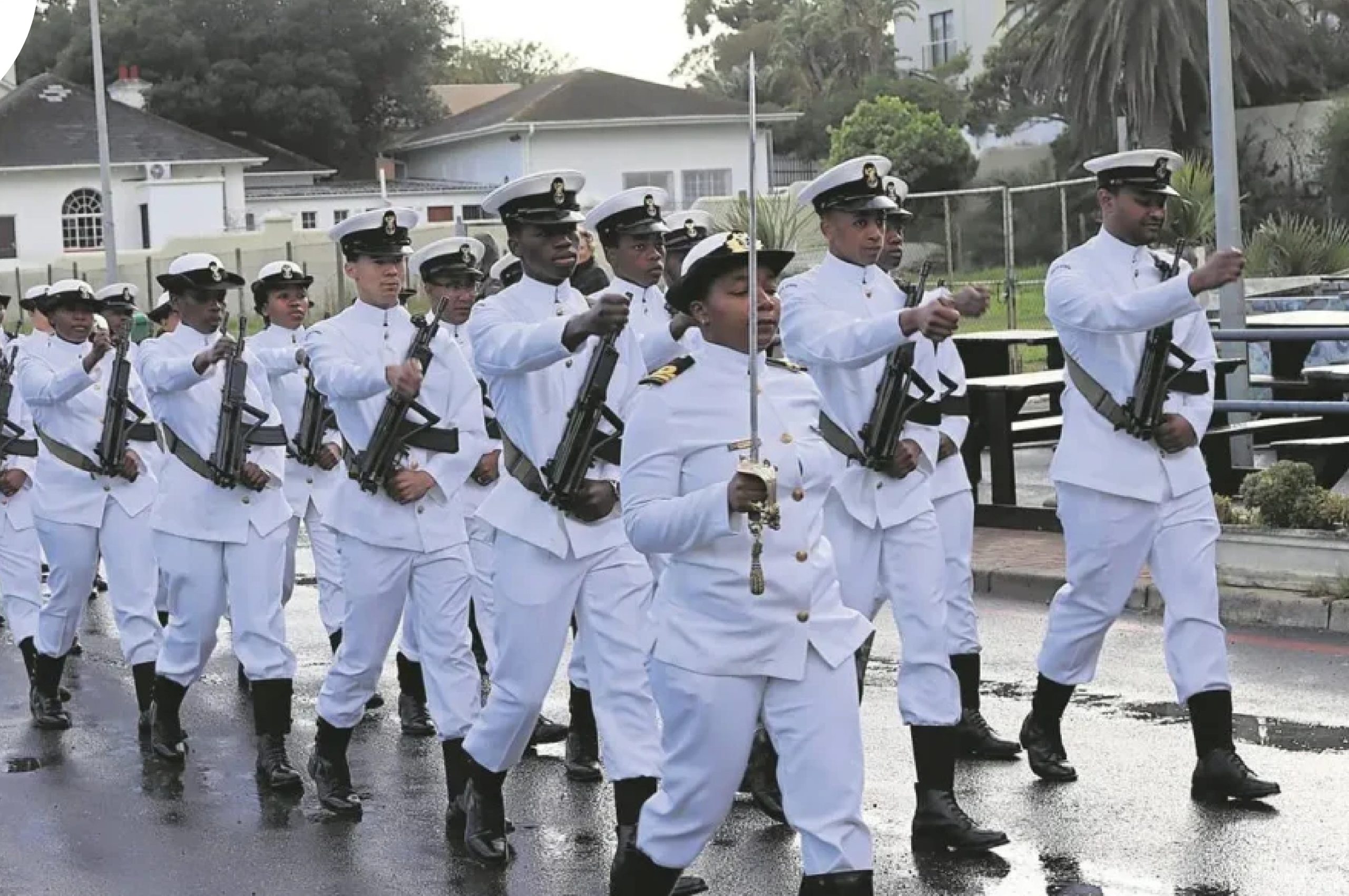
Navy Budget concerns have surged after the Navy Chief issued a strong warning about how ongoing defence cuts threaten South Africa’s maritime readiness. His remarks highlighted critical issues ranging from shrinking patrol capacity to reduced training and delayed maintenance for ageing vessels. These pressures come at a time when regional tensions, piracy concerns and illegal fishing demand a strong naval presence. With maritime routes handling most of South Africa’s trade, any decline in capability carries national consequences. This article explores eight critical insights into how budget pressures are shaping naval operations, long-term planning and strategic priorities. Each insight reflects a growing need for smarter spending, stronger partnerships and renewed political focus on maritime security.
Navy Budget Insight 1: Operational Gaps Widening at Sea
Navy Budget cuts have accelerated the widening of operational gaps along South Africa’s coastline. The navy is responsible for vast maritime zones, yet fewer vessels are available to patrol them consistently. Reduced fuel allocations, vessel breakdowns and delayed maintenance cycles mean fewer hours at sea and less visible deterrence. Criminal networks quickly exploit these gaps, increasing incidents of smuggling, illegal fishing and trafficking. Maritime domain awareness weakens when patrols decline, forcing naval teams to prioritize only the highest-risk zones. This reactive posture creates vulnerabilities that adversaries can predict and exploit. The impact is not just operational but psychological: coastal communities lose confidence in state protection when patrol presence declines. As operational gaps grow, restoring them becomes more expensive, creating a cycle in which budget cuts generate higher security costs in the long run.
Navy Budget Insight 2: Maintenance Backlogs Threaten Fleet Survival
Navy Budget constraints are creating serious maintenance backlogs that threaten the functional lifespan of key platforms. Naval vessels operate under harsh conditions, requiring predictable cycles of dry-docking, structural checks and system upgrades. When budgets shrink, scheduled maintenance gets postponed, pushing ships to operate beyond safe thresholds. Minor faults transform into major failures, grounding vessels for months or even years. Supply-chain delays worsen the backlog, as procurement of specialised parts is expensive and often depends on foreign suppliers. The result is a fleet that ages faster than it is repaired. As more vessels become non-operational, the navy must stretch fewer platforms across growing security tasks. This imbalance raises operational risks and compromises readiness for emergencies, multinational exercises or humanitarian missions. Long-term neglect could force early decommissioning of vessels that still have years of potential service life.
Navy Budget Insight 3: Training Reductions Affect Crew Readiness
Navy Budget limitations force reductions in vital training programmes, directly affecting crew readiness. Naval operations rely on precision skills developed through routine drills, simulations and time at sea. When training days are cut, sailors lose proficiency in navigation, engineering, boarding operations and emergency response. New recruits require more supervision, and experienced personnel see reduced opportunities for career progression. Low morale and skill stagnation lead to higher attrition, with trained individuals moving to commercial maritime jobs offering better pay and stability. Interoperability with regional partners also suffers because joint exercises become less frequent or are scaled down. In high-stress environments—storms, piracy encounters or mechanical failures—lack of recent training increases the risk of accidents and undermines mission success. Effective naval operations depend on well-trained people, and the training deficit created by budget pressures has long-term consequences.
Navy Budget Insight 4: Reduced Patrols Empower Illegal Maritime Activities
Navy Budget restrictions directly reduce patrol frequency, creating opportunities for illegal maritime activities to flourish. Pirates, smugglers and illegal fishing vessels rely on moments when enforcement is weak. With fewer naval patrols, criminal networks extend operations deeper into national waters, targeting fisheries, trade corridors and remote coastal areas. Illegal fishing alone costs the country billions in lost revenue and destroys marine ecosystems that support livelihoods. Reduced patrols also weaken arrest rates, allowing repeat offenders to operate freely. Smuggling routes become predictable when naval presence declines, making interdictions harder. In addition, weak patrol coverage discourages legitimate maritime businesses and increases insurance premiums for shipping companies. The financial loss from unchecked maritime crime often far outweighs the budget savings from reduced naval deployments, making patrol reductions a costly compromise.
Navy Budget Insight 5: Strategic Influence Declines in Regional Waters
Navy Budget cuts weaken South Africa’s strategic influence within the region. Strong naval participation in joint exercises and multinational operations helps shape maritime norms, build alliances and project stabilizing power. When budget limitations restrict deployments, the country loses visibility and leadership. Regional partners may shift toward other naval powers offering more consistent participation and support. Reduced influence also limits South Africa’s ability to advocate for security initiatives, trade protections and resource rights. In the broader geopolitical context, credibility matters: countries that cannot sustain their naval commitments find themselves sidelined in diplomatic negotiations. Declining influence also affects foreign investment, as stability and security are key considerations for international businesses. To maintain its strategic position, South Africa needs consistent naval engagement, which depends on sustained investment.
Navy Budget Insight 6: Economic Vulnerabilities Increase as Maritime Risks Rise
Navy Budget pressure is not just a military issue—it is an economic one. South Africa depends on maritime trade for import supplies, export revenues and energy security. When naval patrols and surveillance weaken, the risk of disruptions to shipping lanes increases. Higher insurance premiums, rerouted cargo ships and delayed port operations can ripple through the economy. Illegal fishing undermines the sustainability of local industries, and smuggling fuels black-market economies that weaken formal tax systems. A weakened navy is less able to respond to oil spills, accidents or port emergencies, events that can carry massive cleanup and compensation costs. Long-term economic stability requires strong maritime protection. Every reduction in capability raises financial vulnerabilities that compound over time.
Navy Budget Insight 7: Crisis Response Capacity Diminishes
Navy Budget limitations greatly affect crisis-response capacity, particularly during natural disasters, major accidents or humanitarian emergencies. Naval vessels and helicopters play critical roles in rescue missions, medical support, evacuations and supply transport. When fewer platforms are available or operational, the country becomes less prepared to respond quickly to emergencies. Severe storms, flooding and shipwrecks require rapid mobilisation, something a weakened fleet cannot guarantee. Cuts also reduce emergency fuel reserves, crew availability and coordination capacity. In regional crises, such as refugee movements or piracy spikes, limited naval support places additional strain on other state agencies. An effective navy is central to national resilience, and diminished crisis-response capability places vulnerable communities at greater risk.
Navy Budget Insight 8: Long-Term Security Planning Becomes Reactive
Navy Budget instability disrupts long-term strategic planning. Frequent cuts force planners to focus on short-term survival instead of building future capabilities. Procurement of new vessels becomes unpredictable, leaving gaps as older ships retire. Technology upgrades are postponed, creating widening capability disparities with modernised regional navies. The absence of stable funding also undermines local defence industries, which depend on predictable contracts to invest in innovation and skilled labour. Reactive planning creates inefficiencies and increases long-term costs because delayed investments lead to rushed, expensive catch-up programmes. A sustainable navy requires stable, forward-looking budgeting that supports multi-year procurement, recruitment and training cycles.
FAQs
Q1: How do Navy Budget cuts impact maritime safety?
Navy Budget cuts reduce patrols and surveillance, weakening the ability to deter crime and respond to emergencies at sea.
Q2: Can partnerships help offset Navy Budget shortages?
Navy Budget gaps can be partially eased through regional cooperation, shared patrols and intelligence-sharing, but core capabilities still require national funding.
Q3: What is the long-term risk of continuous Navy Budget reductions?
Navy Budget reductions create long-term capability gaps, weaken deterrence and raise overall security and economic costs.
Conclusion
Navy Budget decisions play a defining role in South Africa’s maritime future. The insights explored in this article show how operational, strategic and economic pressures intensify when defence spending declines. The Navy Chief’s warning highlights the urgent need for stable investment, targeted reforms and stronger partnerships to preserve maritime readiness. A capable navy protects trade, deters crime and supports national resilience. By planning responsibly today, South Africa can avoid greater security risks and ensure long-term maritime stability.