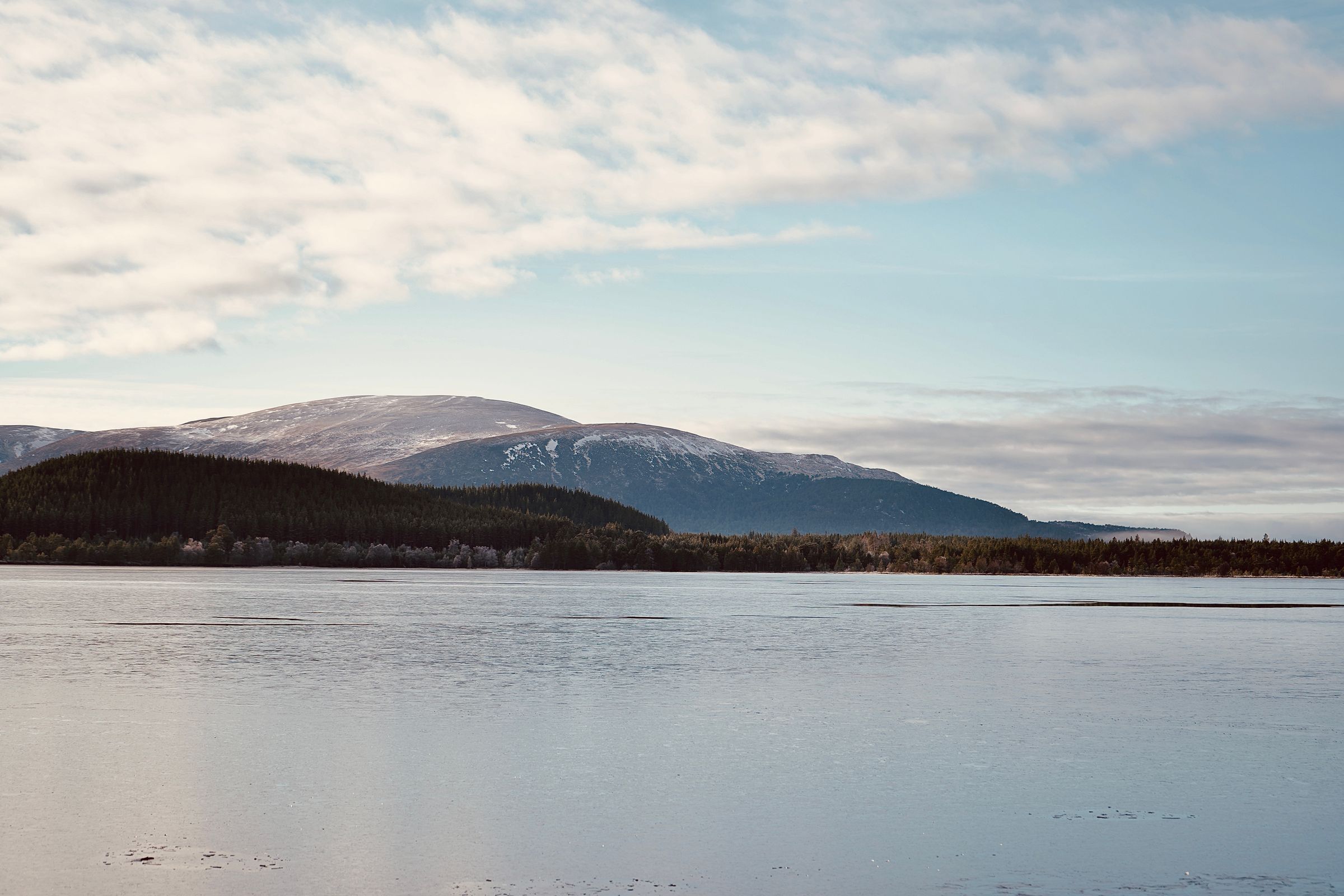
More than £1m will be directed toward restoring Scotland’s landscapes this year, the country’s largest nature recovery effort of the year, including habitats scorched by one of the most significant wildfires in recent memory.
The Scottish government funding, announced by Climate Action Secretary Gillian Martin at a summit in Armenia, will support habitat, species and river restoration, control of invasive non-native species and deer management across the country. A share of £150,100 is earmarked specifically for recovery work after the Abernethy wildfire in the Cairngorms in July, which tore through a huge area of hillside. That money will restore damaged habitats, help wildlife recover and reduce the risk of future fires.
For the communities living around the Cairngorms, the fire’s impact went beyond the burnt hillside. Grant Moir, chief executive of the Cairngorms National Park Authority, described the blaze in Glenmore and Abernethy as devastating for nature and wildlife in the area, for neighbouring communities, and for everyone who loves the place. He welcomed the funding as a boost that will help kickstart nature recovery, from replacing wildlife monitoring cameras damaged in the blaze to restoring a section of the Duack burn affected by emergency firebreaks. The money, he said, will allow the authority to step up work with partners and act quickly where it is most needed.
Meanwhile, the wider funding package reaches well beyond the Cairngorms, touching projects that affect people and wildlife across Scotland. It includes river restoration, support for species recovery such as native oyster restoration at various sites, and habitat restoration on Islay for the chough, a rare member of the crow family. Four national nature reserves will receive habitat restoration support, and additional funding will go toward deer management.
Stuart MacQuarrie, NatureScot’s director of nature and climate change, framed the investment as a way of enabling more people across Scotland to take action for nature. He pointed to managing land for chough on Islay, restoring native oysters, and creating meadows for wildlife in towns and cities as local efforts that combine into a national drive to save nature. By restoring biodiverse habitats, managing deer sustainably and tackling invasive species that threaten native animal and plant life, he said, Scotland can look forward to a future where its nature is healthy and thriving.
Announcing the package, Martin stressed the everyday stake the public holds in the natural environment. “Nature underpins our health, wellbeing, economy and way of life, which is why restoring and protecting it is so important,” she said. The funding, she explained, will support practical action, from improving habitats and rivers to tackling invasive species and backing sustainable land management. It will also aid recovery in the Cairngorms following the wildfire, strengthening the resilience of these landscapes for the future.
Her announcement came at a summit in Armenia, where she said being alongside subnational governments and cities from around the world was a reminder that nature recovery is a shared global challenge. Scotland, she added, is committed to turning its ambitions for nature and climate into action both at home and internationally, and the investment will help deliver real benefits for the environment, wildlife and communities.
The money forms part of the £23m nature restoration budget for 2026-27, a commitment that will shape how Scotland’s landscapes, rivers and wildlife are protected in the years ahead. Further details of the funding and the wider recovery effort can be found in the original report at https://www.bbc.co.uk/news/articles/cmqlnkwnlv6po.
For residents, walkers and everyone whose daily lives are tied to these landscapes, the announcement signals that repair work can begin, and that the places damaged this summer are set to be restored rather than left to decline. Whether the funding proves enough to fully heal the Abernethy hillside remains a question the coming seasons will answer.