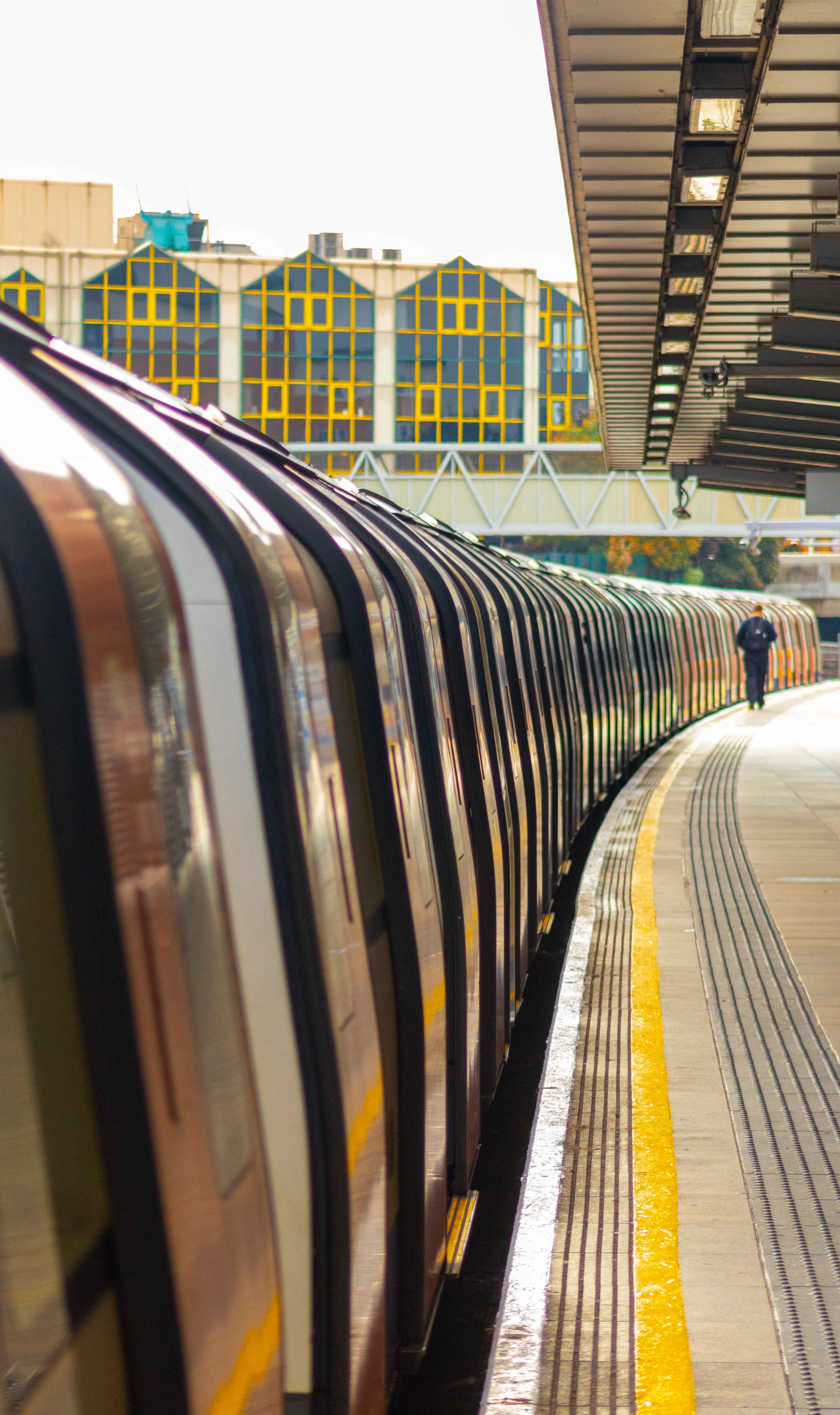
The Department for Transport has approved a new railway station for Bradford, a decision ministers say will “transform how people travel across the north” and which northern leaders regard as a critical test of political commitment after years of delay on promised rail upgrades.
The station, to be built on the current Bradford Interchange site, sits at the heart of the Northern Powerhouse Rail scheme. Unlike the existing layout, it will allow through trains between Leeds and Manchester, with more frequent and faster services expected to support new homes and jobs in the West Yorkshire city. It will sit alongside the Southern Gateway regeneration project and connect to the proposed tram link to Leeds.
The department said the scheme would deliver a “turn-up-and-go railway” for passengers from Bradford, with services frequent enough that travellers would not need to check timetables. The transport secretary, Heidi Alexander, framed the approval as a milestone: “Today marks an important milestone for Bradford with a brand-new station that will transform how people travel across the north.”
The announcement carries particular weight because of the scheme’s troubled history. Northern Powerhouse Rail was first promised by the Conservatives in 2014, but no firm, funded plans ever emerged for the proposed railway linking cities from Liverpool to Hull. It was the government under Keir Starmer that announced in January how the project would proceed: delivery in three stages, with a funding cap of £45bn that could be topped up by local contributions. The first stage will improve connections on existing lines around Yorkshire, and the scheme also includes plans for a new line between Liverpool and Manchester.
That history explains why local leaders have treated the station approval as a signal of intent rather than a routine infrastructure decision. Henri Murison, chief executive of the Northern Powerhouse Partnership, said the decision to build at Bradford Interchange represented “a long-term commitment to the city and the wider north”. He added: “Confidence is already building here, and this will help build it further.”
The mayor of West Yorkshire, Tracy Brabin, struck a similar note on the city’s prospects. “Bradford has so much untapped potential, and faster, more frequent trains to Leeds and Manchester, and the transformation of the city centre will help to finally unleash it,” she said. According to Bradford council, the new station together with the proposed West Yorkshire mass transit network, better known as the Leeds tram, will bring more than £1bn in economic benefits.
The station is expected to be built by the mid-2030s, a timeline that reflects both the scale of the engineering involved and the long gestation of the wider programme.
The wider NPR story also illustrates how decisions within government have shaped the scheme’s final form. As mayor of Greater Manchester, Andy Burnham had championed a new underground station for Manchester Piccadilly as part of the project, but the Treasury did not approve it. The rail industry is now anticipating further work on improving Manchester-Birmingham links to replace the scrapped HS2 northern leg, another transport issue Burnham has long pushed.
Meanwhile, the Bradford announcement sits within a broader effort by northern leaders to use devolved powers to reshape regional infrastructure. Transport links in South Yorkshire could improve further under plans announced by the region’s mayor, Oliver Coppard, and other leaders to bring Doncaster Sheffield airport into public ownership. The combined authority and Doncaster city council are set to buy the airport from Peel Land, with the aim of restarting freight operations next year and passenger flights by spring 2028. The airport’s owners shut down operations in November 2022, judging it commercially unviable.
Coppard said that, subject to formal approval, a deal was going through that “puts the future of DSA back in our hands and finally gives one of the biggest and best growth opportunities in South Yorkshire the platform for long-term success that it needs and deserves”. He credited the government’s devolution agenda with giving local leaders the ability to act where they previously could not. “When the airport closed, almost everything was against us; the owners did not want to sell, we had no legal powers to intervene or stop the airport from closing, and no backing from the government at the time. Today, the sky’s the limit,” he said.
Taken together, the Bradford station approval and the Doncaster deal mark a shift in how northern transport projects are governed: after a decade in which pledged upgrades stalled without funded plans, decisions now rest with a government committed to staged delivery and with mayors empowered, in their view, to act where previous frameworks left them powerless. Whether the £45bn cap and the mid-2030s timeline hold firm will be the next test of that commitment.