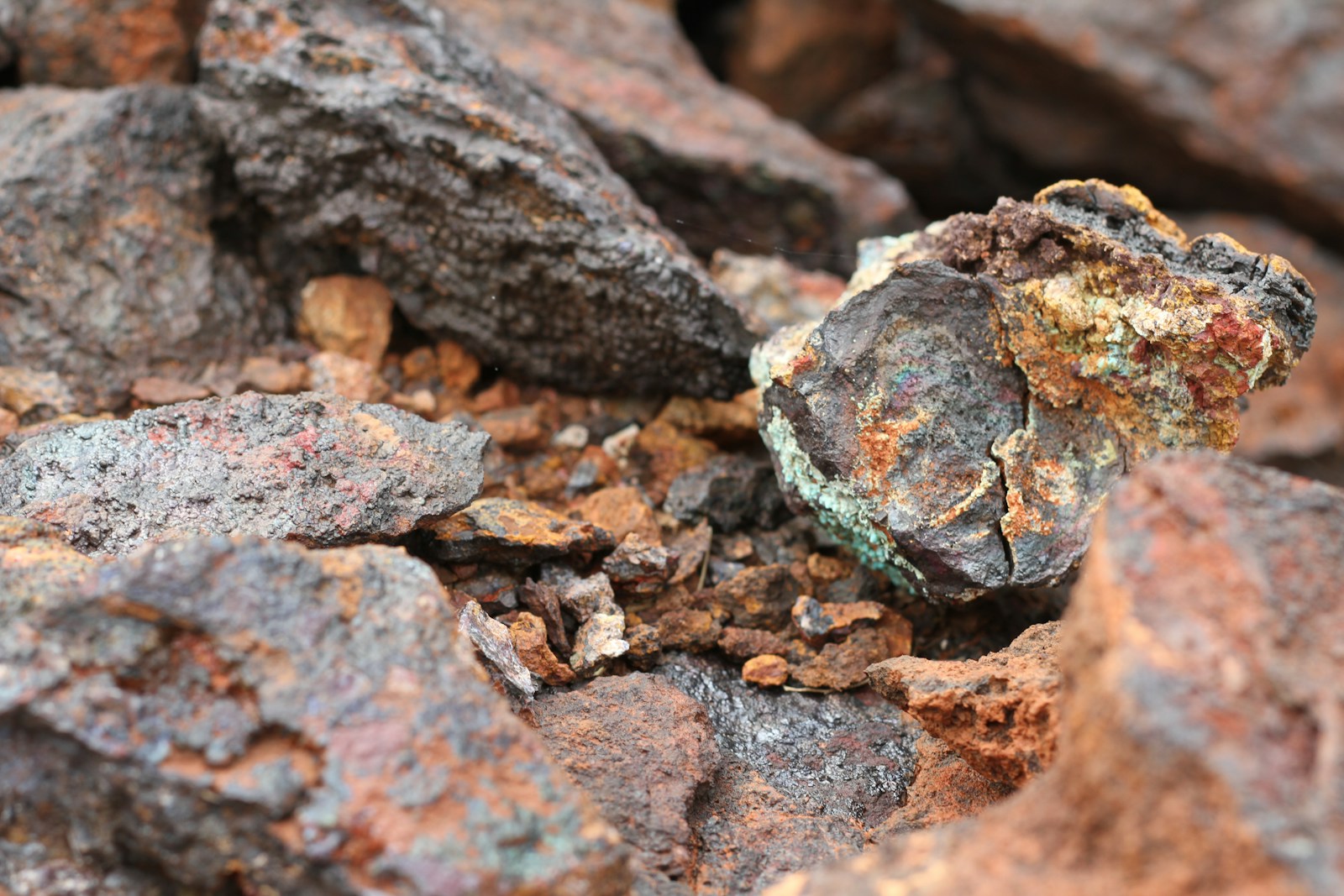
Africa Copper: 5 Shocking Facts Behind China–US Rivalry
Africa copper has become the hidden battleground between the world’s two largest economies: China and the United States. Both nations are investing billions in the continent’s outdated railway networks, not just to support trade, but to secure access to one of the planet’s richest sources of strategic minerals. In this article, we will explore five shocking moves shaping this rivalry and what they mean for the future of global resources.
Why Africa Copper Matters for the World
The Central African Copper Belt, stretching through Zambia and the Democratic Republic of Congo, contains some of the highest-grade copper reserves in existence. This region has long supplied industries with the metal essential for construction, electronics, and renewable energy. Without Africa copper, global manufacturing and clean energy transitions would face significant setbacks. It is this strategic importance that explains why superpowers are pouring money and influence into the region.
China’s $1.4 Billion Bet on Africa Copper
One of the most visible steps in this battle came with Beijing’s recent $1.4 billion deal to overhaul the Tanzania–Zambia Railway, commonly known as TAZARA. This half-century-old line is notorious for breakdowns and inefficiencies, yet it serves as a direct link to copper-producing regions. China’s involvement goes beyond infrastructure it is a long-term strategy to strengthen its foothold in the supply chain of Africa copper and secure uninterrupted access to raw materials needed for its industries.
Modernization of a Failing Network
The rehabilitation includes upgraded tracks, new locomotives, and passenger coaches. While these improvements benefit local economies, the real motivation lies in faster and cheaper copper transport from mines to ports. China’s state-owned enterprises are directly involved, ensuring control over both the logistics and financing of the project. For Beijing, this is not just an investment; it is leverage over Africa copper.
Strategic Leverage Through Infrastructure
By financing and modernizing key infrastructure, China positions itself as an indispensable partner to African nations. In return, it gains preferential access to copper and other minerals. This “railway diplomacy” has been a recurring tactic in China’s Belt and Road Initiative, allowing it to tie resource-rich regions into its economic orbit.
The U.S. Response: Reviving the Lobito Corridor
Washington, aware of Beijing’s advances, has launched its own projects to counterbalance Chinese influence. The U.S. is backing the revival of the Lobito Corridor, a railway connecting inland mines with Atlantic ports. Unlike China’s eastward strategy, America’s focus is westward, ensuring copper can be shipped directly across the Atlantic to the United States and allied markets.
Geopolitical Advantage of the Atlantic
The Atlantic Ocean gives Washington a secure route that is less vulnerable to disruptions in global trade. In times of crisis, Africa copper transported via West African ports could guarantee supply for American industries. This explains why U.S. leaders have been hosting African presidents from countries such as Senegal, Gabon, and Liberia nations that can offer strategic partnerships along this corridor.
Billions Committed to Future Security
The U.S. has pledged billions of dollars to upgrade railways, ports, and logistics hubs. These moves, framed as economic partnerships, are part of a long-term plan to safeguard access to Africa copper and ensure national security in an unpredictable global environment.
5 Shocking Insights Into the Africa Copper Rivalry
- Strategic Railways Over Local Needs: Both China and the U.S. focus on copper transport, not passenger convenience or village development.
- Billions at Stake: Massive investments in infrastructure highlight how critical Africa copper is to both powers.
- Geopolitical Leverage: Control of logistics means control of resources, giving negotiating power on the global stage.
- Risk of Dependency: African nations may gain new infrastructure but risk dependency on foreign powers.
- Future of Clean Energy: Copper is vital for electric vehicles, renewable energy, and digital infrastructure securing Africa copper is securing the future economy.
The Global Stakes of Africa Copper
As the energy transition accelerates, copper demand is expected to soar. A report from the International Energy Agency highlights copper’s role as a “critical mineral” for green technologies. This adds urgency to the current scramble. Whoever secures stable supply from Africa copper will hold a decisive advantage in renewable industries and advanced manufacturing.
Africa’s Dilemma: Opportunity or Exploitation?
For African nations, this rivalry presents both opportunities and risks. On one hand, new infrastructure projects promise jobs, economic growth, and improved trade routes. On the other, dependence on foreign financing and control may reduce sovereignty over resources. Balancing these forces will be crucial for long-term development.
Internal Challenges
Infrastructure bottlenecks, governance issues, and corruption remain significant barriers. Without strong domestic frameworks, the influx of foreign capital may benefit elites more than ordinary citizens.
Regional Cooperation as a Solution
If African nations can coordinate policies, strengthen regional trade agreements, and demand fair terms, they can maximize the benefits of this global competition. Otherwise, the Africa copper boom risks repeating past cycles of resource dependency.
Conclusion: Africa Copper as the World’s Pinch Point
Africa copper is more than a commodity it is a geopolitical pinch point. The China–U.S. rivalry is transforming the continent’s railways into battlegrounds for global influence. For policymakers, investors, and citizens, understanding this struggle is critical. Africa’s future will depend on whether it can harness this competition for sustainable growth or become trapped in a new era of dependency.
For further insights into Africa’s economic opportunities, see our related article on Africa trade news.