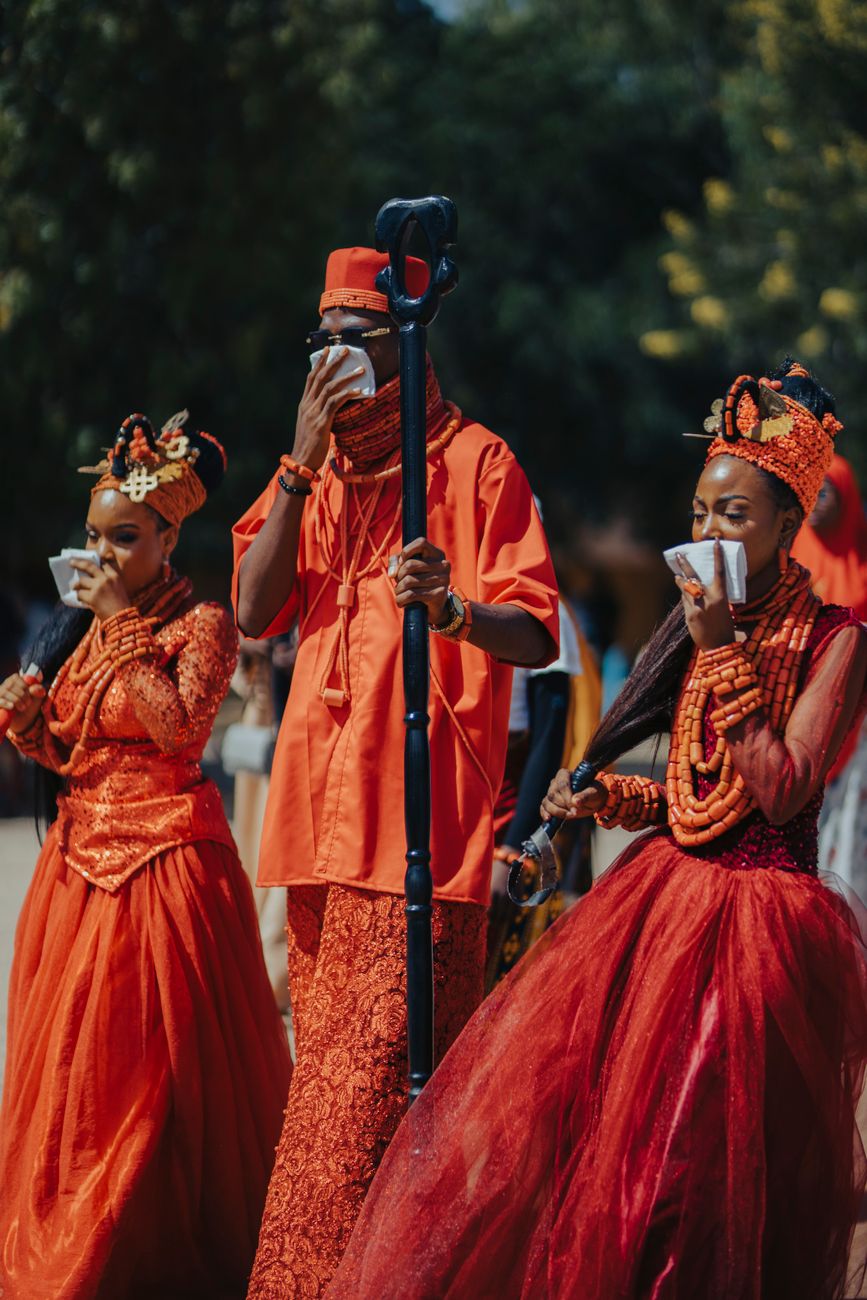
Introduction to Namibian Weddings and Their Societal Significance
Namibian weddings are not merely ceremonies of union; they are deeply rooted in cultural traditions and societal expectations. Couples preparing for marriage face significant pressure from their families and communities to uphold longstanding customs that often involve elaborate celebrations. These expectations, while honoring heritage, frequently translate into substantial financial burdens, especially with rising costs for essentials like tents and catering. Understanding this complex dynamic is crucial to appreciating the true cost of weddings in Namibia.
The Rising Cost of Wedding Essentials: Tents and Venues
One of the most significant expenses in Namibian weddings is the rental of tents and other infrastructure needed to accommodate guests. Prices have surged in recent years, driven by increased demand and limited supply. Many couples find themselves stretching their budgets just to secure suitable venues. The cost of tents alone can consume a large portion of the wedding budget, forcing some to compromise on other important aspects of their special day.
Namibian Weddings:Family Pressure and the Weight of Tradition
Beyond the financial strain, couples face intense pressure from family members to adhere to traditional practices. In many cases, this pressure influences decisions about the scale and nature of the wedding, including the number of guests and the ceremonies performed. Some couples choose to marry at court to avoid such pressures, opting for a simpler legal union over a traditional celebration. This choice, however, often comes with emotional and social challenges, as families may feel disrespected or disappointed.

Namibian Weddings: Balancing Modernity with Cultural Expectations
As Namibia modernizes, many young couples seek to blend contemporary wedding practices with traditional ones. This balance is delicate, as societal expectations remain strong, but financial realities compel couples to innovate. Some opt for smaller, more intimate ceremonies while incorporating key cultural elements. This shift reflects a growing awareness of the need to adapt traditions to contemporary life without losing their significance.
Namibian Weddings: Economic Impact on Couples and Communities
The high costs associated with weddings have broader economic implications. For many couples, wedding expenses lead to significant debt or financial hardship. Communities also feel the impact, as resources are often pooled to meet expectations, sometimes at the expense of other priorities like education or health. Addressing these challenges requires open conversations about sustainable practices that respect culture while promoting financial well-being.
For more insights on cultural traditions and economic challenges in Africa, visit Mauritius Trade News.

Social Expectations and Their Psychological Toll
In Namibian society, weddings are often viewed as a public statement of family status and respect. This creates a psychological burden on couples, especially brides, who must navigate expectations from multiple sides. The pressure to deliver a grand celebration can lead to anxiety and stress, affecting their emotional well-being. Mental health professionals emphasize the importance of open communication between couples and families to manage these pressures effectively.
Namibian Weddings: The Role of Community Contributions and Support
Traditionally, Namibian communities come together to support weddings through contributions in kind or labor. While this fosters unity, the rising costs have challenged this system. Some families now struggle to meet these expectations, leading to tensions or conflicts. Encouraging more flexible community roles could alleviate some financial pressures while preserving the communal spirit.
Namibian Weddings: Legal Marriages vs Traditional Ceremonies
Some couples opt for legal marriages at the courthouse to avoid the high costs and familial pressures of traditional ceremonies. While this approach offers financial relief and simplicity, it can sometimes lead to strained family relationships. The clash between modern legal processes and cultural customs remains a sensitive issue, highlighting the need for broader societal dialogue on evolving marriage practices.

Namibian Weddings: Innovations and Alternatives in Wedding Planning
Faced with rising costs, innovative couples in Namibia are exploring alternative ways to celebrate their unions. These include smaller, more personalized ceremonies, destination weddings, or combining celebrations with other events to reduce expenses. Wedding planners and service providers are also adapting by offering customizable packages to meet diverse needs and budgets.
Government and NGO Initiatives
Recognizing the challenges faced by young couples, some government bodies and NGOs have begun offering support programs. These include financial counseling, educational workshops on budgeting for weddings, and promoting awareness about the psychological impacts of wedding-related stress. Such initiatives aim to empower couples to make informed decisions that balance tradition and financial sustainability.
For more information on economic and social developments in Namibia and Africa, visit Mauritius Trade News.

Financial Planning Challenges for Couples
Many Namibian couples struggle with effective financial planning for their weddings. Without proper budgeting, unexpected costs can quickly escalate, causing stress and potential debt. Education on budgeting techniques and setting realistic expectations is essential to help couples navigate the complex financial demands of wedding planning. Prioritizing expenses and seeking affordable alternatives can make a significant difference in reducing financial strain.
Impact on Gender Roles and Expectations
Wedding traditions often reinforce specific gender roles, placing considerable responsibilities on brides to meet familial and societal expectations. This dynamic can perpetuate inequality and place undue pressure on women. Modern discussions around weddings in Namibia increasingly challenge these norms, advocating for more equitable roles and shared decision-making between partners.
Environmental Considerations in Wedding Planning
As awareness about sustainability grows, some Namibian couples are choosing eco-friendly wedding options. This includes reducing waste, using locally sourced materials, and minimizing the carbon footprint of celebrations. Such approaches align with global trends and offer a meaningful way to celebrate while respecting the environment.
Future Outlook for Namibian Weddings
The future of weddings in Namibia may see continued evolution as economic realities and social attitudes shift. Balancing respect for cultural traditions with financial practicality and personal values will remain a key challenge. Encouraging open dialogue, education, and support will help couples create celebrations that are both meaningful and manageable.
Financial Strain on Young Couples
For many young Namibian couples, the financial burden of organizing a traditional wedding can be overwhelming. The pressure to meet high expectations for lavish ceremonies, including costly tents, catering, and attire, often forces couples to go into debt or delay other life milestones such as purchasing a home or furthering their education. This financial strain is compounded by societal norms that place significant emphasis on the grandeur of wedding celebrations, making it difficult for couples to say no to expensive customs without facing social criticism or familial disappointment.
Experts emphasize the importance of financial literacy and budgeting workshops tailored to soon-to-be-married couples. By learning how to plan and allocate resources effectively, couples can create meaningful celebrations without compromising their future financial stability. Additionally, community support networks can offer practical assistance, such as lending decorations or sharing venues, to help reduce overall costs.
Cultural Shifts and Adaptations
While tradition remains deeply valued in Namibia, cultural shifts are gradually influencing how weddings are celebrated. Some couples are choosing to streamline ceremonies, focusing on the symbolic and relational aspects rather than the extravagance. This trend reflects broader societal changes where personal values and economic realities encourage more pragmatic approaches to marriage festivities.
Community elders and cultural leaders play a vital role in supporting these adaptations. By endorsing more inclusive and flexible customs, they help maintain cultural continuity while allowing space for change. Educational campaigns highlighting the meaning behind traditions rather than the material displays can also promote acceptance of smaller, more intimate weddings.
The Role of Media and Public Awareness
Media outlets and social platforms have increasingly spotlighted the challenges associated with expensive weddings, sparking public discourse on the sustainability and fairness of certain customs. Documentaries, opinion pieces, and social media campaigns help raise awareness about the psychological and financial pressures couples face.
This growing conversation encourages families and communities to reconsider the expectations placed on weddings and promotes empathy toward couples opting for simpler celebrations. Public awareness campaigns by NGOs and government bodies can further support these efforts by providing resources and advice, fostering a healthier cultural environment for wedding planning.
Conclusion
Namibian weddings are a vivid reflection of the country’s rich cultural heritage and complex social fabric. However, the escalating costs of essential items such as tents, coupled with intense family and societal pressures, present formidable challenges for couples. Navigating these demands requires careful financial planning, open communication, and sometimes, difficult choices between tradition and modernity.
While the weight of expectations can be overwhelming, there is hope in the growing awareness and adoption of innovative, sustainable, and equitable approaches to marriage celebrations. Empowering couples through education, community support, and policy initiatives can foster weddings that honor heritage while promoting well-being and financial stability. Ultimately, redefining wedding norms in Namibia is not about abandoning culture but adapting it to better serve the people it represents.
For more on social and economic trends affecting Namibian families and beyond, visit Mauritius Trade News.

Source: AllAfrica