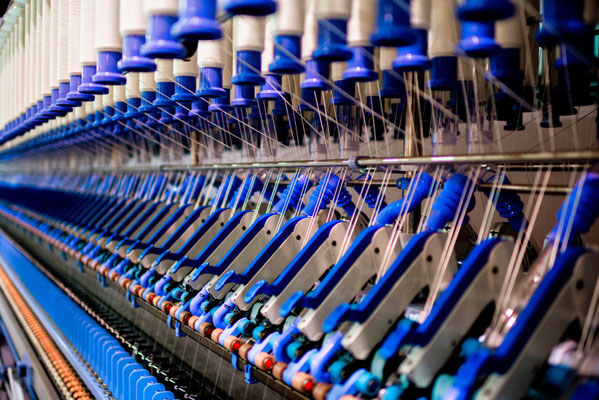
Mauritius Manufacturing Sector: 5 Shocking Decline Facts

Mauritius's manufacturing sector is going through a particularly difficult period right now. Recent data shows that 814 workers lost their jobs in the second quarter of the year, pointing to a worrying decline in the island's industrial situation. The sector, which has historically driven growth and employment, appears to be losing momentum.
Massive job losses in a short space of time
The loss of 814 jobs in just three months raises serious concerns about the stability of the Mauritius manufacturing sector. These job cuts hit textile production units hardest, but also affect other branches like food processing and assembly work. The situation threatens the families involved and puts pressure on the local economies of industrial regions.
The speed at which these job losses happened shows a growing imbalance between supply and demand in production chains. It also reveals structural weaknesses in the sector that, without corrective action, risk making local workers more vulnerable in the long run. This situation highlights how urgent it is to rethink strategy at the national level.
To strengthen the Mauritius manufacturing sector, we need to reassess how risks are managed and put in place quick adaptation plans for shifts in the global market. Better forecasting of economic shocks and regular monitoring of industrial performance could help prevent mass layoffs in future.
The export collapse: an alarming sign
Exports from the Mauritius manufacturing sector have dropped sharply, cutting the country's foreign currency earnings. Several factors are behind this fall: weaker international demand, higher production costs, and tougher competition from low-cost countries. The sector must rethink its approach to stay competitive.
This drop in overseas activity also damages the reputation of the Mauritius manufacturing sector in key markets like Europe and Africa. It puts at risk the country's ability to keep its vital trade partnerships and attract new customers.
It is now urgent to invest in innovation and explore new export opportunities to break out of the current stagnation. Developing high-value products and adopting advanced technologies could help the Mauritius manufacturing sector regain its competitive edge on the world stage.
An urgent need for industrial diversification
Economic experts agree that over-reliance on certain traditional industries leaves the Mauritius manufacturing sector exposed to risk. We need a more diversified approach that brings in advanced technologies, automation, and digital value chains to build long-term resilience and sustainability.
Moving into emerging sectors like biotechnology, green manufacturing and 3D printing solutions could significantly strengthen Mauritius's industrial ecosystem and create new skilled job opportunities.
Social impact: families and communities affected
The wave of job losses is hitting Mauritian society hard. Many families are losing their main source of income, creating social tensions and a higher risk of poverty. The government needs to strengthen its social safety nets and offer targeted retraining programmes.
This crisis also shows the need for stronger psychological and community support to ease the emotional impact of sudden unemployment. Mass job losses bring not just financial hardship but also emotional distress for those affected. Feelings of exclusion and insecurity can quickly spread through families and the hardest-hit neighbourhoods.
To respond effectively to this distress, we need to set up support hotlines, emotional support workshops and peer support groups. Working together across government, NGOs and the private sector is now essential to rebuild social stability and prevent lasting marginalisation. A collective and human response is key to restoring hope and dignity.
Modernisation is necessary but not enough
Efforts have been made in recent years to upgrade equipment and train staff. Several companies have invested in more efficient machinery and run skills development sessions for their workers. Yet these steps fall short of what is needed to tackle the scale of economic and technological challenges facing the Mauritius manufacturing sector.
To meet the demands of the global market, we need an integrated strategy that combines innovation, ongoing training, and public-private partnerships. This would not only boost competitiveness but also secure jobs for the long term. Looking ahead and staying adaptable are now the watchwords for industrial resilience.
Foreign investment: a lifeline?
Some experts argue that targeted foreign investment could be a turning point for the sector. Bringing in international capital would strengthen production capacity and encourage the transfer of technology and expertise. Government could play a key role by creating a business-friendly environment.
Specific tax incentives, simpler administrative procedures and better logistics could attract international manufacturers keen to set up production units in Mauritius. This proactive approach would boost the Mauritius manufacturing sector's position in the regional market and drive job creation in high-value industries.
Focus on the circular economy
The shift towards a greener economy also offers a chance for renewal. By embracing sustainable development principles, companies in the sector can improve their image and meet the growing environmental demands of global markets. Practices like cutting industrial waste, improving energy efficiency and using recycled raw materials are now essential.
This green shift could make the Mauritius manufacturing sector more attractive to European and African partners, who often put environmental standards high on their list when making trade decisions. In the long run, this would boost not just the sector's competitiveness but also its role in building a more resilient and environmentally responsible national economy.
Also read: Banque Patronus Maurice sets up in Mauritius
For full analysis: Défi Économie – Official source https://www.youtube.com/embed/Gbnr1RaWq2g
Conclusion: Change is essential
The Mauritius manufacturing sector faces a series of interconnected challenges, but also opportunities for transformation. If policymakers and industrialists act now, they can reposition Mauritius as a competitive, sustainable and innovative regional industrial hub. Resilience comes through adaptation, innovation and teamwork.

Contents
- Massive job losses in a short space of time
- The export collapse
- An urgent need for diversification
- Social impact
- Modernisation is necessary
- Foreign investment
- Focus on the circular economy
Source: By defieconomie.defimedia.info